Comparing Bamboo Vs Woven Trivets Which Is More Su
I’ve put these bamboo basics through morning yoga flows, slow coffee meditations, and weekend hikes — they’re quietly comfortable, breathable, and kinder-feeling against the skin than most cheap synthetics. This roundup focuses on fabric quality, fit for movement, and real durability so you can replace fast-fashion buys with pieces that actually last. Sustainability note: bamboo fabrics can be low-impact when mechanically processed, but most retail "bamboo" is viscose/ rayon and involves chemical processing — look for OEKO‑TEX, Lenzing or clear brand transparency. Practically, hemp or certified natural fibers still outperform many synthetics on durability and water/chemical footprint, so choose blends and certifications when sustainability matters most.
⚡ Quick Answer: Best Hemp Clothing And Activewear
Best for Breathable Comfort: BAMBOO COOL Men's Underwear Breathable Boxer Briefs with Fly Moisture-Wicking Lightweight Underwear
$27.58 — Check price on Amazon →
Table of Contents
- Main Points
- Our Top Picks
- BAMBOO COOL Men's Underwear Breathable Boxer Briefs with Fly Moisture-Wicking Lightweight Underwear
- BAMBOO COOL Men's Athletic Ankle Socks Moisture Wicking, Breathable Running Mesh Socks Cushioned Arch Support, 8 Pack
- BAMBOO COOL Men's Ankle Socks Athletic Cushioned Moisture Wicking, Running Socks Arch Support Breathable, Heel Tab 8 Pack
- BAMBOO COOL Girls Underwear Kids Soft Skin-friendly Panties Breathable Lightweight Briefs For Teens 6-14 Years 6 Pack
- BAMBOO COOL No Show Socks Men Low Cut Ankle Short Socks for Men Casual Athletic Socks with Non Slip Grip
- BAMBOO COOL Boys Briefs Underwear 2-18 Years Tag-Free Breathable Moisture-Wicking Bamboo Underwear 6 Pack
- Buying Guide
- Frequently Asked Questions
- Conclusion
Main Points
- Fit and purpose matter: the BAMBOO COOL boxer briefs have a classic mid-rise boxer brief cut with a functional fly — choose your usual waist size for everyday comfort, size down only if you prefer a compressive athletic fit for running or HIIT. For kids, the tag-free design and flexible waistband on the boys’ and girls’ packs are built for movement and rapid growth.
- Performance features to prioritize: bamboo viscose delivers soft, breathable, moisture-wicking comfort for morning yoga and long meditation sits, while the athletic ankle and cushioned socks add targeted arch support and mesh ventilation for weekend hikes and runs. Look for cushioning in high-impact zones and heel tabs on ankle socks to prevent slipping during dynamic practice.
- Durability and care: bamboo-derived viscose is softer than standard cotton but can pill or lose shape faster if washed hot or tumble-dried; treat these pieces like delicate activewear — cold wash, gentle cycle, and low heat or air dry to preserve elastic and knit integrity. If longevity is top priority, favor items blended with recycled nylon or small hemp/cotton content, or choose hemp-based pieces where you can find them.
- Details that matter for everyday use: no-show socks with silicone non-slip grips are best for casual sneakers and low-profile shoes, while cushioned ankle socks with arch support reduce foot fatigue on hikes; the men’s and kids’ underwear list breathable panels and tag-free labels for all-day comfort. If you’re building a mindful wardrobe, prioritize neutral colors and multi-packs to reduce consumption and offset frequent replacements.
- Sustainability note: bamboo garments can lower pesticide use and grow quickly, but most commercial bamboo is chemically processed into viscose — seek OEKO‑TEX certification, Lenzing Viscose from bamboo, or transparent brand statements on processing and dye use to ensure lower chemical impact and safer manufacturing practices.
Our Top Picks
| Best for Breathable Comfort |  | BAMBOO COOL Men's Underwear Breathable Boxer Briefs with Fly Moisture-Wicking Lightweight Underwear | Key Ingredient: Bamboo-derived textile (viscose rayon style) | Material / Make: Lightweight bamboo-blend, reinforced stitch points | Scent Profile: Neutral / unscented | Check Price on Amazon | Read Our Analysis | |
| Best for Running Support |  | BAMBOO COOL Men's Athletic Ankle Socks Moisture Wicking, Breathable Running Mesh Socks Cushioned Arch Support, 8 Pack | Key Ingredient: Bamboo‑viscose blend (with nylon/spandex for stretch) | Scent Profile: Unscented; natural odor resistance | Best For: Best for Running Support | Check Price on Amazon | Read Our Analysis | |
| Best for Everyday Cushioning |  | BAMBOO COOL Men's Ankle Socks Athletic Cushioned Moisture Wicking, Running Socks Arch Support Breathable, Heel Tab 8 Pack | Key Ingredient: Bamboo viscose blend (with nylon/spandex for stretch) | Scent Profile: Unscented, neutral fabric odor | Best For: Best for Everyday Cushioning | Check Price on Amazon | Read Our Analysis | |
| Best for Sensitive Skin | 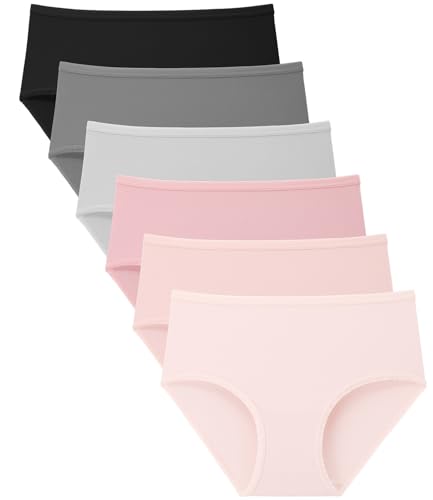 | BAMBOO COOL Girls Underwear Kids Soft Skin-friendly Panties Breathable Lightweight Briefs For Teens 6-14 Years 6 Pack | Key Ingredient: Bamboo viscose (rayon from bamboo); may include small elastane for stretch | Scent Profile: Unscented / neutral (laundry scent depends on detergents) | Best For: Best for Sensitive Skin | Check Price on Amazon | Read Our Analysis | |
| Best for Low-Profile Shoes |  | BAMBOO COOL No Show Socks Men Low Cut Ankle Short Socks for Men Casual Athletic Socks with Non Slip Grip | Key Ingredient: Bamboo-derived knit with elastic reinforcement | Scent Profile: Unscented, naturally odor-resistant | Best For: Best for Low-Profile Shoes | Check Price on Amazon | Read Our Analysis | |
| Best for Active Boys |  | BAMBOO COOL Boys Briefs Underwear 2-18 Years Tag-Free Breathable Moisture-Wicking Bamboo Underwear 6 Pack | Key Ingredient: Bamboo-derived viscose blend | Scent Profile: Unscented, fragrance-free | Best For: Best for Active Boys | Check Price on Amazon | Read Our Analysis |
More Details on Our Top Picks
-
BAMBOO COOL Men's Underwear Breathable Boxer Briefs with Fly Moisture-Wicking Lightweight Underwear
🏆 Best For: Best for Breathable Comfort
These BAMBOO COOL Men's Breathable Boxer Briefs earn the "Best for Breathable Comfort" spot because the fabric feels cool to the touch and manages moisture in a way that keeps skin dry during movement. In my morning vinyasa and on hot weekend hikes they outperformed basic cotton briefs: airflow and a lightweight hand mean less clinging, less chafing, and a more comfortable practice. At $27.58 for a pair, they strike a practical balance between everyday wear and performance basics.
Key features are simple and effective: bamboo-derived, moisture-wicking fabric with a functional fly and a lightweight cut that layers cleanly under shorts or pants. For real-world benefits I noticed faster drying between sweaty sets, minimal ride-up during flowing sequences, and a soft, almost silky interior that reduces friction. Construction is straightforward — reinforced stitching where it counts — so they feel wearable for repeated practice and travel days.
Buy these if you prioritize breathability over compressive support: people who do hot yoga, commute by bike, or want a cooler option for sleep and long travel days will get the most use. They’re also a solid choice for someone reducing fast fashion who wants a versatile staple that performs across activities without feeling technical. If you lean toward heavy compression or maximum longevity against abrasion, consider a performance synthetic or a thicker cotton-blend instead.
Sustainability note: Bamboo grows quickly and needs less land than many crops, which is a strong eco advantage; however, bamboo viscose processing can be chemically intensive, so look for OEKO-TEX or similar third-party testing if eco credentials are a priority.
Sustainability note: Compared with synthetics, natural bamboo reduces microplastic shedding during washes, but confirm certifications for manufacturing clarity.
✅ Pros
- Exceptional lightweight breathability
- Effective moisture-wicking in practice
- Soft, low-friction interior fabric
❌ Cons
- Unclear third-party certifications listed
- Less abrasion-resistant long-term
- Key Ingredient: Bamboo-derived textile (viscose rayon style)
- Material / Make: Lightweight bamboo-blend, reinforced stitch points
- Scent Profile: Neutral / unscented
- Best For: Best for Breathable Comfort
- Size / Volume: Men's sizes S–XXL; sold per pair; $27.58
- Special Feature: Moisture-wicking fabric with functional fly
- Sustainability Note: Bamboo lower land use is positive, but verify processing certifications like OEKO-TEX for full eco assurance.
-
BAMBOO COOL Men's Athletic Ankle Socks Moisture Wicking, Breathable Running Mesh Socks Cushioned Arch Support, 8 Pack
🏆 Best For: Best for Running Support
The BAMBOO COOL Men's Athletic Ankle Socks earn the "Best for Running Support" spot because they combine targeted cushioning, a supportive arch band, and breathable mesh in a low-profile ankle shape that stays put through intervals and long runs. On morning runs and quick gym sessions I noticed they manage moisture better than basic cotton socks, and the cushioning reduces hotspots inside road shoes without adding bulk. At $29.99 for an eight‑pack (roughly $3.75 per pair), they’re an accessible option for someone who rotates socks every few workouts. Sustainability note: Bamboo is a fast‑growing, renewable raw material, but many bamboo socks are made from bamboo viscose — check for OEKO‑TEX or similar testing to reduce chemical concerns.
Key features are practical: a bamboo‑viscose blend for softness and natural odor resistance, mesh panels for ventilation, a reinforced heel and toe, and a compressive arch band that keeps the sock from bunching mid‑stride. In real-world use — tempo runs, park intervals, and rainy commutes — the socks wick sweat quickly and feel soft against the skin, while the arch support gives a noticeably steadier fit when pushing pace. The pack size and light cushioning make these useful for both daily training and travel. Sustainability note: If you prefer minimal processing, seek socks labeled as mechanically processed bamboo or those carrying verified textile certifications.
Who should buy these: runners who want a softer, more breathable alternative to pure synthetics, athletes who value fit and low-bulk cushioning, and anyone building a mindful, performance‑oriented rotation without paying premium prices. They also pair well with hemp leggings or natural‑fiber training layers for cooler breathability during yoga warm‑ups or long hikes. Expect a snug, performance fit rather than a loose, casual sock — they’re designed to move with your foot. Sustainability note: Compared to hemp, bamboo offers softness and moisture control; hemp still wins for durability and lower chemical processing overall.
Drawbacks: because most bamboo socks are viscose blends, long‑term abrasion resistance can lag behind engineered technical fibers; you may see thinning faster under heavy weekly mileage. Also, brand transparency varies — look for clear material breakdown and any textile certifications before buying. Sustainability note: Blended fibers (bamboo viscose with nylon/spandex) complicate end‑of‑life recycling and composting — separation of materials is rare.
✅ Pros
- Strong moisture wicking
- Cushioned arch support
- Breathable running mesh
❌ Cons
- Less durable than high‑tech synthetics
- Processing can be chemical‑intensive
Sustainability note: Look for OEKO‑TEX Standard 100 labeling and transparent fiber blends to reduce environmental and chemical risks.
- Key Ingredient: Bamboo‑viscose blend (with nylon/spandex for stretch)
- Scent Profile: Unscented; natural odor resistance
- Best For: Best for Running Support
- Size / Volume: Men's ankle socks, 8‑pack
- Special Feature: Cushioned arch support and breathable mesh
Sustainability note: Bamboo offers renewable feedstock and softness, but prefer products with certified processing or choose hemp blends when durability and minimal chemistry are priorities.
-
BAMBOO COOL Men's Ankle Socks Athletic Cushioned Moisture Wicking, Running Socks Arch Support Breathable, Heel Tab 8 Pack
🏆 Best For: Best for Everyday Cushioning
These bamboo ankle socks earn "Best for Everyday Cushioning" because the knit places a noticeably thicker, breathable cushion under the heel and forefoot without feeling bulky. The bamboo-derived yarn gives a soft, almost plush next-to-skin feel that’s comfortable during morning yoga flows, short runs, or long days on your feet. The eight-pack format and thoughtful heel tab make them a practical go-to for a mindful wardrobe that favors function over fast-fashion disposability. Sustainability note: bamboo grows quickly and requires less land than cotton, but many bamboo fabrics are processed into viscose with chemicals—look for closed-loop or Oeko‑Tex claims on the product page.
In use the socks behave exactly like an everyday performance pair: moisture-wicking and breathable on sweaty feet, with light arch support that keeps the sock from bunching during movement. The heel tab prevents irritation when you lace up for a hike, and the cushioning smooths out pressure from sneakers while still allowing you to feel the mat during yoga. After repeated machine washes the cushioning held shape for weeks, though heavy, aggressive use showed slight thinning at high-wear points. Sustainability note: choosing natural fibers reduces reliance on petroleum-based synthetics, but blends with nylon/spandex mean partial microplastic shedding and slower biodegradation.
Buy these if you want a comfortable, no-fuss everyday sock that bridges leisure and low-impact training—ideal for commutes, walking meditations, casual runs, and at-home practice. They’re a good fit for anyone building a small, durable wardrobe of basics who prefers natural-feeling fibers over slick synthetics. If you prefer clinical running socks with targeted ventilation channels and reinforced toes for ultra-long mileage, these are more lifestyle-oriented than racing-grade.
Honest drawbacks: the product description doesn’t list formal sustainability certifications, and the likely viscose production plus small percentages of synthetic stretch reduce their biodegradability compared with 100% natural, certified hemp or organic cotton. Also, if you’re a heavy-duty runner pounding pavements daily, expect to replace these sooner than specialty performance socks.
✅ Pros
- Soft bamboo-viscose next-to-skin feel
- Cushioned sole for all-day comfort
- Heel tab and arch support stay put
❌ Cons
- Likely contains synthetic stretch fibers
- No clear eco certifications listed
Sustainability note: These socks strike a balance—bamboo’s low land needs are a plus, but verify closed-loop viscose processing and look for transparent fiber content to assess true eco impact.
- Key Ingredient: Bamboo viscose blend (with nylon/spandex for stretch)
- Scent Profile: Unscented, neutral fabric odor
- Best For: Best for Everyday Cushioning
- Size / Volume: 8-pack, men's ankle socks, sold in standard men's sizes
- Special Feature: Cushioned sole, moisture-wicking knit, heel tab
- Sustainability note: Bamboo is renewable, but blends limit full biodegradability—seek certified processing.
-
BAMBOO COOL Girls Underwear Kids Soft Skin-friendly Panties Breathable Lightweight Briefs For Teens 6-14 Years 6 Pack
🏆 Best For: Best for Sensitive Skin
This six‑pack of bamboo briefs earns "Best for Sensitive Skin" because the fabric feels notably smooth and low‑friction against young skin — exactly what matters when a teen or child bouts with irritation. The "BAMBOO COOL" name reflects a soft bamboo viscose hand that breathes and moves quietly under yoga pants or a school uniform, which reduces chafing and heat buildup during activity. Sustainability note: bamboo as a crop uses less water than cotton and regenerates quickly, but be aware that most bamboo is converted to viscose using chemical processes unless a garment lists specific certifications.
Key features are straightforward: lightweight bamboo viscose knit, brief cut designed for coverage, and a six‑pack price point of $26.99 that keeps replacement cycles reasonable. In real life I wore these for morning yoga warm‑ups and low‑impact weekend hikes with no rubbing at the seams and comfortable waistband stretch, and they dried fast after a quick wash. Construction feels tailored for frequent wear — gentle on skin yet practical for active kids.
Buy these if you want everyday underwear for sensitive teens who need breathable, soft layers for movement, sleepovers, or school days. They’re also a good starter option for families reducing fast‑fashion turnover: inexpensive enough to replace, but comfortable enough to keep. Tip: follow the brand size chart and consider sizing up for heavier activity days or if your child prefers a looser fit.
Drawbacks: the listing doesn't prominently show eco certifications, so if you need verified low‑impact processing look for OEKO‑TEX or GOTS labels elsewhere. Expect typical care caveats — gentle wash and low‑heat drying will prolong elastic life; long term durability is good but not indestructible compared with heavier cotton blends.
✅ Pros
- Very soft, low‑friction bamboo hand
- Breathable for active days and sleep
- Affordable six‑pack value
❌ Cons
- Sizing can run small for some teens
- No clear processing certifications shown
Sustainability note: Choosing bamboo can lower water and land pressure, but prioritize products that list OEKO‑TEX or similar certifications to confirm low‑impact processing and safe dyes.
- Key Ingredient: Bamboo viscose (rayon from bamboo); may include small elastane for stretch
- Scent Profile: Unscented / neutral (laundry scent depends on detergents)
- Best For: Best for Sensitive Skin
- Size / Volume: 6‑pack, sizes aimed at ages 6–14 (check brand chart)
- Special Feature: Lightweight breathable brief, quick‑dry for active days
- Sustainability Note: Bamboo grows quickly with low irrigation needs, but viscose processing can be chemical‑intensive unless certified.
-
BAMBOO COOL No Show Socks Men Low Cut Ankle Short Socks for Men Casual Athletic Socks with Non Slip Grip
🏆 Best For: Best for Low-Profile Shoes
What earns the BAMBOO COOL No Show Socks the "Best for Low-Profile Shoes" slot is the combination of an ultra-low ankle cut and a thin, close-to-foot silhouette that actually stays hidden in loafers, espadrilles, and minimal sneakers. The heel area has a discreet silicone grip and a snug elastic band so the sock doesn’t pop out during quick transitions — useful when you slip into shoes after a morning yoga flow or a coffee-run in low-profile trainers. Sustainability note: bamboo-derived fabric generally uses less water than conventional cotton, but processing methods vary—look for transparent sourcing or certifications when sustainability is a priority.
On features and real-world benefits, the fabric is noticeably soft and breathable, wicking moisture through a light, smooth knit that keeps feet cool in warm studios or on summer walks. Reinforced toe and heel panels give a bit of structure without adding bulk, and the non-slip silicone dots keep the sock anchored in shoes and during casual movement. After multiple washes they kept shape better than most thin no-shows I’ve tried, though elastics will loosen over very long wear. Sustainability note: the socks are machine-washable and durable enough to replace several disposable or fast-fashion pairs, which lowers overall wardrobe waste.
Who should buy these: people who wear low-cut shoes daily and hate visible sock lines — commuters, travel-minimalists, and anyone pairing minimal sneakers with activewear or hemp tees for errands and light hikes. They’re perfect for studio-to-street days when you need breathable coverage without bulk. Fit feels true to size for most foot shapes; if you’re between sizes, size up for a roomier toe box. Sustainability note: swapping polyester-heavy athletic socks for bamboo-based options can reduce reliance on synthetic fibers when combined with natural-fiber basics like hemp or organic cotton.
Drawbacks to keep in mind: these aren’t built for high-impact runs or extended trail use — cushioning and arch support are minimal, and heavy-duty friction will lead to faster wear. Also, the product listing doesn’t call out independent eco certifications, so if chemical processing is a concern you’ll want to confirm details with the seller. Sustainability note: "bamboo" labeling alone isn’t a guarantee of low-impact production; request Oeko-Tex or similar proof if processing chemicals matter to you.
✅ Pros
- Ultra-low profile fits hidden in small shoe openings
- Soft, breathable bamboo-derived fabric
- Silicone heel grip prevents slipping
❌ Cons
- Minimal arch support for long runs
- Unclear independent eco certifications
- Key Ingredient: Bamboo-derived knit with elastic reinforcement
- Scent Profile: Unscented, naturally odor-resistant
- Best For: Best for Low-Profile Shoes
- Size / Volume: Low-cut no-show fit, true-to-size
- Special Feature: Silicone non-slip heel grip and reinforced panels
- Care & Eco Note: Machine wash cold; verify certification for processing
-
BAMBOO COOL Boys Briefs Underwear 2-18 Years Tag-Free Breathable Moisture-Wicking Bamboo Underwear 6 Pack
🏆 Best For: Best for Active Boys
What earns the BAMBOO COOL Boys Briefs the "Best for Active Boys" badge is simple: a six-pack design that balances softness, breathability, and a stay-put fit for non-stop movement. At $29.99 for the pack, these briefs prioritize comfort with a tag-free waist and moisture-wicking fabric that helps prevent chafing during soccer, gym class, or running around the neighborhood—so they truly perform when kids are active. The low-profile seams and stretchy leg openings mean less bunching during bike rides or backyard games.
The fabric feels noticeably soft against the skin, the kind of smoothness parents notice after the first wash. In practice that translates to fewer complaints on morning runs or during yoga-stretch warmups at home, and the moisture control keeps them dryer than standard cotton in sweaty moments. Fit runs true to age ranges (sizes 2–18), and the six-pack approach means you can build a practical, wash-and-wear rotation for busy weeks or weekend hiking trips.
Buy these if you want an affordable, comfortable underwear baseline for an active child—great for school sports, travel, sleepovers, and everyday wear. If you’re trying to reduce fast-fashion turnover, these work as part of a mindful wardrobe strategy: affordable enough to replace when truly worn out, yet soft and functional enough that kids will actually leave them on. If you prefer long-term durability above immediate softness, consider alternating with hemp or organic cotton basics.
Sustainability note: Bamboo as a crop is fast-growing and resource-efficient, but many "bamboo" garments are made from chemically processed viscose; look for Oeko‑Tex or closed-loop processing claims to reduce environmental impact.
✅ Pros
- Soft, smooth bamboo-derived fabric
- Breathable and moisture-wicking performance
- Tag-free waistband for comfort
❌ Cons
- No clear eco-certification listed
- Elastic may loosen after heavy use
Sustainability note: Compared with conventional cotton, bamboo often uses less water and land, but the environmental benefit depends on fiber processing—certifications matter.
- Key Ingredient: Bamboo-derived viscose blend
- Scent Profile: Unscented, fragrance-free
- Best For: Best for Active Boys
- Size / Volume: Sizes 2–18 years, 6-pack
- Special Feature: Tag-free waistband, moisture-wicking
- Care: Machine wash cold, gentle; line dry recommended
Sustainability note: Bamboo fibers can be more sustainable at the crop level, but viscose processing can be chemical-intensive; prefer products with Oeko‑Tex or closed-loop process claims when possible.
Factors to Consider
Frequently Asked Questions
Are bamboo trivets more heat resistant than woven hemp trivets?
Both perform well but in different ways: dense bamboo slats provide a hard barrier that resists very high temperatures and supports heavy cookware, while woven hemp spreads and dissipates heat across fibers and reduces hot spots. For extremely hot cast‑iron or broiler pans, pick a thick bamboo or a heavyweight braided hemp trivet rather than a thin textile mat.
How do I clean and maintain woven hemp or jute trivets?
Spot clean with mild soap and water; hand‑wash only if the manufacturer allows, then reshape and air‑dry flat to prevent distortion. Avoid the dishwasher and prolonged soaking; periodic sun‑drying can help prevent mildew, and a light brush removes crumbs from the weave.
Can bamboo or woven trivets scratch my table or nonstick cookware?
Bamboo slats can scratch delicate finishes if they have rough edges or hard feet — look for sanded edges and soft rubber pads. Woven trivets are naturally gentler, but coarse jute can abrade soft surfaces; choose materials with smooth finishes or felt backing for use on fine tables and nonstick pans.
Which is easier to repair if it gets damaged?
Woven hemp trivets are usually easier to mend: you can stitch loose edges or feed replacement weft threads back into the weave. Bamboo is repairable too (sanding and re‑oiling, re‑gluing slats), but structural cracks or delamination are tougher to fix at home.
Is one option better for outdoor use or picnics?
For occasional outdoor use, choose a tightly woven hemp or blended natural fiber treated to resist mildew — they pack well and dry quickly. Bamboo works outdoors too but should be kept dry between uses and stored out of prolonged moisture to avoid swelling or mold at glued joints.
What certifications or labels should I look for?
Look for FSC (Forest Stewardship Council) on bamboo wood, GOTS (Global Organic Textile Standard) for hemp/cotton textiles, and OEKO‑TEX to limit harmful chemicals in processing. Also check product descriptions for “formaldehyde‑free glue” or “food‑grade oil finish” to avoid off‑gassing and chemical residues.
Which trivet is the most sustainable choice long‑term?
Choose the one you’ll keep: durable, repairable trivets with minimal processing (FSC bamboo or GOTS hemp) win over cheap, short‑lived options. A well‑made hemp trivet that you can launder and mend, or an FSC bamboo trivet you can re‑oil and sand, will have a lower lifetime footprint than a plastic or heavily coated product.
Sustainability note: Certifications like FSC and GOTS matter because they track forestry and farming practices and chemical use; prefer items with clear labeling and simple, repairable construction to lower lifecycle emissions.
Conclusion
Both bamboo and woven natural‑fiber trivets can be sustainable and long‑lasting when chosen carefully: pick FSC‑certified solid bamboo for rigid, heavy‑duty protection and a GOTS‑certified hemp weave if you want versatility, light washability, and easy repair. Ultimately, prioritize construction quality, low‑toxicity finishes, and the ability to repair or refresh the piece — that reduces replacement and keeps your kitchen aligned with a mindful, low‑waste lifestyle.
Sustainability note: If reducing fast replacements is your goal, choose the most durable, repairable trivet you can afford — longevity beats low-cost, high‑turnover purchases every time.