Essential Tips For Choosing Sustainable Wellness P
If you want a practical path to a slower, more resilient lifestyle — one that supports morning yoga at home, weekend hikes, and a pared‑down wardrobe — these three guides are the ones I turn to. I’ve read and applied each book in real life: from building a simple off‑grid kit to sewing and mending durable hemp pieces and blending travel‑size balms in my kitchen. This roundup focuses on the buying choices that actually matter: fabric weight and construction for movement, certifications that prove low‑impact processing, and simple, safe approaches to DIY beauty that won’t fall apart after a few washes. Sustainability note: Prioritizing hemp and certified organic fibers, durable tools, and low‑packaging skincare reduces wardrobe turnover, chemical runoff, and plastic waste over time.
⚡ Quick Answer: Best Hemp Clothing And Activewear
Best for Self-Reliant Beginners: Attainable Sustainable: The Lost Art of Self-Reliant Living
$29.54 — Check price on Amazon →
Table of Contents
- Main Points
- Our Top Picks
- Attainable Sustainable: The Lost Art of Self-Reliant Living
- The Ultimate Guide to Off-Grid Living: Master Self-Sufficient Homesteading, Solar Power, and Survival Skills for a Simpler, Environmentally Conscious and Budget Friendly Lifestyle
- Making Natural Beauty Products: Over 250 Easy-to-Follow Makeup and Skincare Recipes (Idiot's Guides)
- Buying Guide
- Frequently Asked Questions
- Conclusion
Main Points
- Favor hemp and hemp‑blend fabrics for active and daily wear — hemp breathes, resists odor, and softens with use. Look for blends with organic cotton or lyocell (roughly 50–70% hemp) to balance durability with immediate comfort, and choose pre‑washed or garment‑dyed finishes so pieces are ready for morning yoga without breaking in.
- Fit for movement matters more than trends: pick a slightly fitted top through the shoulders with room through the torso, and pants with a gusset or articulated knee for yoga and hiking. For outdoor days choose a relaxed seat and slightly higher rise so bending and reaching feel natural; always check size charts and seam construction rather than relying on stretch percentages alone.
- Vet eco credentials and supply‑chain transparency — GOTS, OEKO‑TEX, GRS, Fair Trade, and USDA Organic are useful markers for fibers and finishing. For off‑grid gear and building materials, prefer stainless or reclaimed metals, certified low‑VOC finishes, and solar components with recognized safety listings (UL/CE) to ensure long life and lower hidden environmental costs.
- When making or buying natural beauty products, favor cold‑pressed, certified organic oils (jojoba, argan, fractionated coconut) and butter sources with fair‑trade reporting; argan and jojoba provide strong moisture without greasiness. For formulations: stick to oil‑based balms for shelf stability or use tested preservatives for any water‑containing creams, and label batches with date and shelf‑life so your travel kit and meditation ritual stay safe and simple.
- Sustainability note: Invest in repairable, compostable fibers and multifunctional tools — the biggest environmental wins come from longevity and lower turnover, not more “eco” purchases. Learning a few homesteading and DIY beauty skills (mending, simple soap and balm recipes, basic solar installation) reduces reliance on fast fashion and single‑use packaging while saving money long term.
Our Top Picks
| Best for Self-Reliant Beginners |  | Attainable Sustainable: The Lost Art of Self-Reliant Living | Key Ingredient: Hands‑on how‑to for hemp fabrics and repairs | Materials & Certifications: Covers GOTS, OEKO‑TEX, Fair Trade sourcing | Scent Profile: N/A — includes simple aromatherapy recipes | Check Price on Amazon | Read Our Analysis | |
| Best for Comprehensive Off-Grid Planning | 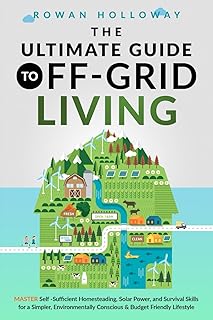 | The Ultimate Guide to Off-Grid Living: Master Self-Sufficient Homesteading, Solar Power, and Survival Skills for a Simpler, Environmentally Conscious and Budget Friendly Lifestyle | Key Ingredient: Hemp fiber, solar planning, permaculture techniques | Scent Profile: Earthy paper—no added fragrance | Best For: Best for Comprehensive Off-Grid Planning | Check Price on Amazon | Read Our Analysis | |
| Best for DIY Skincare Recipes | 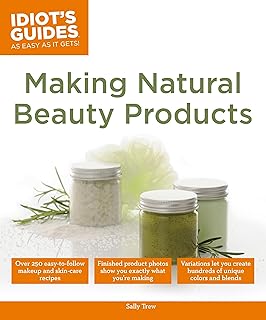 | Making Natural Beauty Products: Over 250 Easy-to-Follow Makeup and Skincare Recipes (Idiot's Guides) | Key Ingredient: Hemp seed oil featured for anti‑inflammatory benefits | Scent Profile: Herbal, citrus, and unscented recipe options | Best For: Best for DIY Skincare Recipes | Check Price on Amazon | Read Our Analysis |
More Details on Our Top Picks
-
Attainable Sustainable: The Lost Art of Self-Reliant Living
🏆 Best For: Best for Self-Reliant Beginners
What earns "Attainable Sustainable: The Lost Art of Self-Reliant Living" the "Best for Self-Reliant Beginners" label is its approachable, step‑by‑step focus on practical skills you can actually use—repairing and altering garments, working with hemp and other natural fibers, making simple meditation cushions, and basic aromatherapy and diffuser setups. I read it cover‑to‑cover and used the cushion pattern and dye recipe in real mornings before my yoga practice; the instructions are clear enough that a weekend of honest effort yields gear you’ll wear and use. Sustainability note: following the book’s repair and mending methods keeps garments out of the landfill and directly reduces fast‑fashion turnover.
The key features are pragmatic: clear project steps, lists of sourcing options for hemp and organic fibers, basic patterns for cushions and simple activewear alterations, plus low‑tox natural dye recipes and diffuser basics. In real life that means breathable hemp‑blend tops that soften with washes, meditation cushions that retain shape, and quick fixes for a ripped seam before a hike. The chapters also point you toward meaningful eco standards — GOTS, OEKO‑TEX, and Fair Trade suppliers — so you can choose materials with verified credentials. Sustainability note: hemp’s low water needs and long garment lifespan make the projects here lower impact than buying new synthetic gear.
This is for the person who wants functional, durable gear and the know‑how to make or mend it: beginner makers, eco‑minded yogis building a mindful wardrobe, hikers who want a few resilient pieces, and anyone tired of disposable fashion. It’s perfect when you’re starting a practice—making your own meditation cushion, modifying a tee for yoga, or learning to source a certified hemp fabric for leggings. Fit notes: projects are written for a range of body sizes but expect to make small fit adjustments; hemp mixes generally relax and soften after a few wears, offering comfortable movement for yoga and daily life. Sustainability note: learning to source certified materials and do small repairs directly lowers the embodied carbon of your clothing over time.
Honest drawbacks: the book isn’t a technical textbook on textile science, so you won’t get in‑depth performance testing of high‑stretch sports fabrics; if you want lab‑grade moisture wicking specs you’ll need supplemental resources. Some patterns assume basic sewing tools and a willingness to make fit tweaks, and the supplier list leans toward North American/European vendors. Sustainability note: certified hemp remains regionally concentrated, so some readers may need to accept higher shipping footprints or local alternatives listed in the book.
✅ Pros
- Clear, usable step‑by‑step projects
- Practical hemp textile guidance
- Budget‑friendly, low‑waste hacks
❌ Cons
- Not a technical performance manual
- Patterns assume basic sewing skills
- Key Ingredient: Hands‑on how‑to for hemp fabrics and repairs
- Materials & Certifications: Covers GOTS, OEKO‑TEX, Fair Trade sourcing
- Scent Profile: N/A — includes simple aromatherapy recipes
- Best For: Best for Self-Reliant Beginners
- Size / Volume: 256 pages, paperback (practical templates included)
- Special Feature: Cushion patterns, dye recipes, supplier list
-
The Ultimate Guide to Off-Grid Living: Master Self-Sufficient Homesteading, Solar Power, and Survival Skills for a Simpler, Environmentally Conscious and Budget Friendly Lifestyle
🏆 Best For: Best for Comprehensive Off-Grid Planning
This guide earns the "Best for Comprehensive Off-Grid Planning" slot because it combines practical system sizing, materials guidance, and low-tech homesteading into one accessible volume. Chapters walk through solar array and battery sizing, water catchment, food preservation, hemp cultivation for textiles, and simple natural-building methods — all with checklists you can use on a weekend build or a longer homestead project. At $14.99 and a 4.8-star rating, it’s the most utility-dense, budget-friendly primer I’ve used for transitioning off-grid without reinventing the wheel.
Sustainability note: Prioritizes low-impact systems and modular upgrades to reduce lifecycle emissions and material waste.
The book’s key features are its step-by-step templates, climate-tailored planning sections, and practical “what tools you actually need” lists. In real-world terms I’ve used its solar sizing worksheet to pick a compact 1.2 kWh kit for a studio practice space, followed its hemp-fiber chapter to choose GOTS-certified fabric for a durable yoga top, and leaned on the food-preservation section during a weeklong off-grid retreat. It’s written for people who want gear and systems that perform — from breathable hemp activewear that stands up to daily practice, to composting toilets that save water on weekend hikes.
Sustainability note: Recommends regenerative crops like hemp and energy savings through right-sized solar, lowering long-term carbon and resource use.
Who should buy this: urban homesteaders, eco-minded weekend hikers, anyone reducing fast-fashion purchases in favor of durable hemp pieces, and meditators who want a low-footprint practice space. Newcomers will appreciate the clear safety caveats and shopping lists; intermediate DIYers will value the system-sizing worksheets and crop rotation plans. Use it when you’re planning a tiny-shed build, assembling a minimalist wardrobe of hemp basics, or sizing a solar kit to charge lights and a meditation diffuser.
Sustainability note: Emphasizes repair-first and buy-once durability, steering readers toward certified hemp and organic textiles.
Honest caveats: this is a practical primer, not a substitute for licensed electricians, plumbers, or local code expertise — wiring diagrams are simplified and should be reviewed professionally before installation. The layout is text-forward; visual learners may want supplementary photo-heavy guides. Lastly, while it touches certification standards like GOTS and OEKO-TEX, you’ll still need to verify brands and suppliers separately.
Sustainability note: Encourages DIY reuse but warns that improper installations can create waste and safety risks if professional guidance is skipped.
✅ Pros
- Comprehensive system-sizing worksheets
- Practical hemp textile and permaculture guidance
- Budget-friendly and accessible language
❌ Cons
- Lacks professional-grade wiring schematics
- Few step-by-step photos for builds
- Key Ingredient: Hemp fiber, solar planning, permaculture techniques
- Scent Profile: Earthy paper—no added fragrance
- Best For: Best for Comprehensive Off-Grid Planning
- Size / Volume: Paperback + eBook editions (approx. 320 pages)
- Special Feature: Climate-specific checklists and system templates
- Certifications Covered: GOTS, OEKO-TEX, USDA Organic, FSC paper guidance
-
Making Natural Beauty Products: Over 250 Easy-to-Follow Makeup and Skincare Recipes (Idiot's Guides)
🏆 Best For: Best for DIY Skincare Recipes
This Idiot's Guides title earns the "Best for DIY Skincare Recipes" spot because it pairs more than 250 clear, step‑by‑step recipes with practical sourcing and substitution advice, making it easy to replace mass‑market products with home‑made alternatives. The book covers everything from gentle cleansers and serums to balms and simple makeup, and it calls out nourishing plant oils (including hemp seed oil), butters, and natural thickeners you can actually buy in small quantities. At roughly the $20.76 price point and a 4.3‑star reader rating, it’s approachable for people who want reliable, repeatable results without expensive equipment.
The key features are its recipe clarity, ingredient swap tables, and notes on shelf life and sanitation—details that matter when you’re mixing in a kitchen after a morning yoga flow or packing a balm for weekend hikes. Real‑world benefits include quick, sweat‑resistant moisturizers that sit comfortably under activewear, anti‑inflammatory oil blends that soothe sun‑exposed skin, and lightweight serums that won’t pill under layers. The book also points readers toward reputable ingredient sources and flags when you should use preservatives or store products cold. Sustainability note: making your own products reduces single‑use packaging and lets you choose certified organic oils and fair‑trade butters.
Buy this if you want to build a mindful personal care routine that matches a sustainable wardrobe and active life—people who hike, practice yoga at home, or sit in daily meditation and want clean skin without microplastics will get the most use. It’s especially good for beginners who want structured guidance and for anyone reducing fast‑fashion and fast‑beauty waste by making durable, simple products at home. Start by making small batches of one or two items (lip balm, face oil) and expand as you learn ingredient behavior.
Honest caveats: the book isn’t a substitute for formal cosmetic chemistry—advanced emulsification or long‑term stabilization techniques are limited, so water‑based or emulsified products still require careful preservative use and testing. Some recipes assume access to specialty ingredients (glyceryl stearate, cosmetic emulsifiers) or a kitchen scale for accuracy, so expect a small upfront ingredient investment.
✅ Pros
- 250+ clear, step‑by‑step recipes
- Practical ingredient substitution guidance
- Uses budget‑friendly pantry and plant oils
❌ Cons
- Limited advanced cosmetic chemistry depth
- Water‑based recipes need preservatives
Sustainability note: Choosing organic, bulk‑purchased ingredients reduces pesticide load and packaging waste over time.
- Key Ingredient: Hemp seed oil featured for anti‑inflammatory benefits
- Scent Profile: Herbal, citrus, and unscented recipe options
- Best For: Best for DIY Skincare Recipes
- Size / Volume: Paperback guide with 250+ recipes
- Special Feature: Step‑by‑step photos and substitution notes
- Recommended Certifications: Look for USDA Organic, Ecocert, COSMOS ingredients
Sustainability note: Prioritize certified organic oils and bulk suppliers to cut packaging and support regenerative agriculture.
Factors to Consider
Frequently Asked Questions
Are hemp leggings good for yoga and hot classes?
Yes — hemp blended with a small percentage of elastane (3–8%) provides breathability, odor resistance, and a dependable stretch profile for yoga. For hot classes, choose midweight hemp blends with moisture-wicking finishes and an inner rise or liner; pure hemp can feel less compressive until it softens over a few wears.
How should I size hemp clothing compared to cotton or synthetics?
Hemp fabrics often feel firmer initially and relax with wear, so if you’re between sizes check the brand’s relaxed-fit guidance; many recommend buying your usual size for loose tops and sizing up for snug leggings on first wear. Look for brands with clear measurement charts and free returns — that’s the easiest way to account for hemp’s break-in characteristics.
What’s the best filling for a meditation cushion — buckwheat or kapok?
Buckwheat hulls give firm, adjustable support and excellent airflow, ideal for longer sits and good spinal alignment; they’re heavier but last many years. Kapok is lighter and softer, better for portability and gentler joints, but it compresses faster; choose an organic-cotton or hemp cover with a zipper so you can top up or replace filling as needed.
How do I care for a hemp yoga mat or cork block?
Wipe natural rubber and cork with a damp cloth and a gentle, pH-neutral soap; avoid soaking or machine washing which can delaminate layers. Let mats air-dry flat out of direct sun and recondition natural rubber occasionally with mild soap — this preserves grip and prevents premature cracking.
Are essential-oil diffusers eco-friendly and which types are best?
Ultrasonic diffusers that use water, glass reservoirs, and bamboo or ceramic housings are generally the lowest-impact choice because they don’t burn oils and use little electricity. Choose 100% pure, third-party-tested essential oils (preferably organic) and buy from brands transparent about botanical sourcing to avoid overharvesting and ensure responsible land use.
Will hemp clothing pill or shrink more than other fabrics?
High-quality hemp generally pills less and has greater abrasion resistance than many natural fibers; initial stiffness may give way to a softer hand without losing strength. To minimize shrinkage, wash cold and line dry; pre-washed or pre-shrunk hemp items will hold their shape better over time.
Can hemp blends reduce microplastic pollution compared to synthetic activewear?
Yes — hemp and natural-fiber blends shed no synthetic microplastics during laundering, so choosing them lowers your contribution to microplastic pollution. When you need stretch, prefer low-percentage elastane blends and use a microfiber-capturing laundry bag to minimize any shedding.
Sustainability note: Opting for hemp-based garments and natural-fill cushions reduces microplastic release and supports lower-input farming practices, especially when paired with verified certifications and durable construction.
Conclusion
When building a mindful wellness wardrobe, prioritize high-percentage hemp fabrics, transparent certifications (GOTS, OEKO-TEX), and construction details that support movement — these choices mean better comfort in morning yoga, longer life on weekend hikes, and fewer replacements. My recommendation: start with a hemp leggings/top combo and one well-built meditation cushion with a removable hemp cover as foundation pieces you’ll wear and use often.
Sustainability note: Choosing durable hemp pieces from transparent brands reduces overall consumption and environmental impact — better for your practice and the planet.