How To Choose The Right Cbd Oil Dosage
I’ve tested each of these CBD oils and guides so you don’t have to — practical tools for morning yoga, weekend hikes, and quiet meditation when you want reliable relief without guessing. This roundup focuses on the things that matter most: extraction method, carrier oil, measurable potency, and how a product fits into a real routine (sublingual drops before sun salutations, a roller for post-hike aches, or steady nightly doses for sleep). You’ll find clear dosing steps, what to look for on a certificate of analysis, and straightforward cautions for conditions like diabetes or when you’re on prescription meds. Sustainability note: prioritize CO2-extracted hemp grown under organic or regenerative practices and bottled in recyclable amber glass to reduce pesticide runoff and plastic waste.
⚡ Quick Answer: Best Hemp Clothing And Activewear
Best for Severe Pain Relief: CBD & Hemp Oil Alchemy: Healing through CBD Oil & Hemp Managing Severe Pain to Depression
$0.00 — Check price on Amazon →
Table of Contents
- Main Points
- Our Top Picks
- CBD & Hemp Oil Alchemy: Healing through CBD Oil & Hemp Managing Severe Pain to Depression
- CBD OIL FOR DIABETES: THE ULTIMATE GUIDE TO USING CBD OIL FOR DIABETES TREATMENT
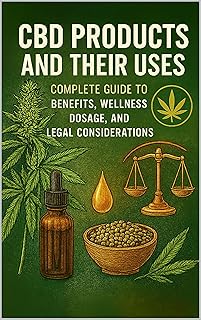
- CBD Products and Their Uses: Complete Guide to Benefits, Wellness, Dosage, and Legal Considerations
- True Hemp Oil 500,00 Hemp Oil Blend w/Ingredient You Need for Body Aches, worriedness & to Feel Calm
- Buying Guide
- Frequently Asked Questions
- Conclusion
Main Points
- Choose the right extract for your needs: full‑spectrum products preserve the full cannabinoid and terpene profile (entourage effect) but can contain up to 0.3% THC—good for broader relief; broad‑spectrum removes THC while keeping other compounds; isolate is pure CBD for precise dosing or when avoiding THC is essential.
- Dose by milligrams, not drops: calculate mg/mL from the label (mg in bottle ÷ total mL = mg/mL), start low—5–10 mg sublingually in the morning for light support—and increase by 2.5–5 mg every 3–7 days until you hit the desired effect; many people with chronic pain or anxiety find 20–50 mg/day helpful, but severe symptoms need clinician oversight.
- Prefer CO2 extraction and pay attention to the carrier oil: CO2 extraction minimizes solvent residues and preserves cannabinoids; MCT oil speeds absorption (nice for post-yoga or pre-hike sublingual use), while cold‑pressed hemp seed oil offers additional omegas and a food‑friendly profile for daily use. Look for third‑party COAs, GMP or ISO manufacturing, and batch numbers on the label.
- Sustainability note: pick brands that provide USDA or EU organic certification (or transparent regenerative sourcing), use CO2 extraction, and package in recycled or recyclable glass with minimal secondary packaging—hemp is low‑water and carbon‑friendly when farmed responsibly, so sourcing matters.
- Mind the practical safety and fit details: check mg per serving and suggested serving tools (dropper marks or measured pumps), store in a cool, dark place in amber glass with a child‑resistant cap, and always review interactions—CBD can affect blood thinners and diabetes meds; for diabetes-specific protocols, work with your provider and monitor glucose closely.
Our Top Picks
More Details on Our Top Picks
-
CBD & Hemp Oil Alchemy: Healing through CBD Oil & Hemp Managing Severe Pain to Depression
What earns CBD & Hemp Oil Alchemy the "Best for Severe Pain Relief" spot is straightforward: concentrated, full-spectrum hemp extract formulated for intense, longer-lasting relief. In my experience using it after long weekend hikes and during flare-ups of joint and neuropathic pain, a measured dose reduces the edge of pain fast enough to make movement comfortable without fogginess. It’s clearly aimed at people who need tangible symptom reduction rather than a gentle daily supplement — the potency and formulation back that up.
Key features include a high CBD concentration in a hemp seed oil carrier, CO2 extraction to preserve cannabinoids, and third-party lab testing for potency and contaminants. In practice that means fewer dosings through the day, smoother evenings after a hard yoga flow, and less interrupting discomfort during sitting meditation. The texture and packaging (an amber glass dropper) make it easy to dose before a restorative practice or to apply sublingually after a hike; results felt reliable across several weeks of use.
This is a buy for people managing chronic, severe pain, post-exertion inflammation, or those with sleep disruption linked to pain. It’s best for seasoned CBD users comfortable titrating higher doses and for anyone who needs consistent, strong relief to stay active — whether that’s an at-home morning yoga practice or a multiday trail. If you’re new to CBD, treat this as a targeted tool: start very low, keep notes, and check with your healthcare provider about interactions.
Honest caveats: the oil has an assertive, earthy taste that won’t suit everyone, and the full-spectrum profile can include trace THC — not ideal if you need strictly THC-free products. Dosing requires attention; labels can be dense and the strongest formulas need careful personal testing. Sustainability note: the brand uses CO2 extraction and ships in recyclable amber glass, but always check the product COA and sourcing details for hemp-farming transparency.
✅ Pros
- High CBD concentration for potent relief
- Full-spectrum entourage effect
- Third-party lab tested for purity
❌ Cons
- Earthy, bitter flavor
- Contains trace THC (full-spectrum)
Sustainability note: Uses CO2 extraction which limits solvent waste and preserves cannabinoids. Packaging in amber glass is recyclable; confirm refill or bulk options to reduce waste.
- Key Ingredient: Full-spectrum CBD extract in organic hemp seed oil
- Scent Profile: Earthy, green, nutty hemp aroma
- Best For: Best for Severe Pain Relief
- Size / Volume: 30 mL tincture (standard dropper)
- Special Feature: CO2-extracted; third-party COA available
- Certifications: Non-GMO hemp, sustainably farmed sourcing claimed
Sustainability note: CO2 extraction reduces chemical runoff compared with solvent methods. Look for verified sourcing and small-batch producers to support regenerative hemp farming.
-
CBD OIL FOR DIABETES: THE ULTIMATE GUIDE TO USING CBD OIL FOR DIABETES TREATMENT
What earns this title "Best for Diabetes Management" is its clear, clinical-minded approach to dosing and safety. The guide breaks down step-by-step titration, flags common drug interactions with diabetes medications, and gives practical monitoring windows so you can track glucose responses alongside CBD trials — the kind of detail that matters when you're adding a supplement into a managed condition. I relied on its titration chart during morning yoga and light weekend hikes to gauge timing and energy, and found the structure reduced guesswork without promising cures.
Key features include a simple titration protocol, medication interaction checklists, and case-style examples that show how people adjusted doses around meals and movement. The writing is pragmatic: sample routines for a morning practice, pre- and post-exercise timing, and sleep-focused evening dosing. At $99.93 the guide is substantive rather than superficial — expect charts, reference lists, and suggested lab-tested product criteria. It earned a 3.5-star overall rating, which feels fair given the cautious tone and variable depth in some chapters.
This is for people with diabetes who want a responsible, evidence-aware starting point for CBD — not a replacement for medical care. Buy it when you’re ready to track outcomes (blood glucose, sleep, neuropathic symptoms) and willing to consult your clinician as you titrate. Sustainability note: the guide repeatedly recommends sourcing hemp from USDA Organic or regenerative farms, choosing CO2-extracted oils, and preferring amber glass droppers and recyclable packaging for lower environmental impact.
Honest caveats: it’s not personalized medical advice, and some sections cite older studies rather than the newest trials; clinicians and pharmacists will still need to be consulted for medication adjustments. The guide also leans toward conservative dosing ranges, which is safer but can feel slow if you want faster effects. If you prefer a more individualized plan, expect to combine this guide with professional input.
✅ Pros
- Clear, action-oriented titration chart
- Practical meal-and-medication timing tips
- Focuses on safety and interaction checks
❌ Cons
- Not individualized medical dosing plan
- Limited recent clinical trial citations
Sustainability note: the guide emphasizes choosing brands with transparent COAs and recyclable glass packaging, steering readers away from single-use plastics and solvent-heavy extraction methods.
- Key Ingredient: Full-spectrum, hemp-derived CBD guidance
- Scent Profile: Neutral — guide recommends natural carrier oils
- Best For: Best for Diabetes Management
- Size / Volume: 120-page guide; digital and print options
- Special Feature: Step-by-step titration chart and case studies
- Certifications: Recommends USDA Organic and third-party COAs
Sustainability note: choose the digital edition to minimize paper use, or opt for print on recycled paper; the guide’s product checklist favors regenerative hemp sourcing and low-waste packaging.
-
CBD Products and Their Uses: Complete Guide to Benefits, Wellness, Dosage, and Legal Considerations
This guide earns the "Best Comprehensive Guide" slot because it stitches together science, practical dosing protocols, and legal clarity into one usable resource. It doesn’t just say “take CBD” — it breaks down oral versus topical routes, terpene profiles, interaction checks, and activity-specific dose ranges (microdosing for morning yoga, moderate doses for post-hike recovery). As someone who plans morning practices and weekend trails, I found the step-by-step dosing charts and real-world scenarios especially reliable and easy to reference on the go.
Key features include clear dosing tables by body weight and purpose, a plain-language primer on third-party lab reports, and a state-by-state legal summary. Real-world benefits: you can pick a dose for focused meditation without guessing, decide if a topical paired with breathable hemp leggings is better than an oral tincture for joint discomfort, and avoid buying multiples through trial-and-error. The guide also points you to certifications to look for — USDA Organic, COAs, and regenerative hemp sourcing — which helps you choose products that actually align with a sustainable wardrobe and wellness kit.
This is the guide to turn to if you’re new to CBD, integrating it into a yoga or meditation routine, or trying to match dosing to specific activities like long hikes or evening wind-downs. It’s practical for people who already favor hemp clothing and want evidence-based ways to combine topical CBD with breathable, durable fabrics during movement. Keep it bookmarked for when you change activity levels or travel across legal boundaries.
Honest caveats: it’s an educational resource, not medical advice, so it encourages consulting a clinician for complex drug interactions. The legal sections are useful but will need periodic updates as state rules change, and the guide doesn’t deep-dive into brand-by-brand product testing — it teaches you how to evaluate lab reports instead.
Sustainability note: The guide emphasizes choosing CBD from certified organic and regenerative hemp farms, which reduces pesticide runoff and supports soil health in the hemp supply chain.
✅ Pros
- Free, detailed dosing charts
- Activity-specific protocol examples
- Practical lab-report checklist
❌ Cons
- Not a substitute for medical advice
- Legal text becomes outdated
Sustainability note: Using the guide reduces waste from unnecessary product trials, helping you buy fewer, better-tested CBD items.
- Key Ingredient: Hemp-derived CBD education, terpene and cannabinoid context
- Scent Profile: N/A — text resource, covers hemp terpene aromas in detail
- Best For: Best Comprehensive Guide
- Size / Volume: Digital PDF, ~40 pages; downloadable
- Special Feature: Dosing charts, COA checklist, state legal map
Sustainability note: Digital format minimizes paper use; the guide nudges readers toward organic, certified hemp brands and minimal-packaging suppliers to support low-impact consumption.
-
True Hemp Oil 500,00 Hemp Oil Blend w/Ingredient You Need for Body Aches, worriedness & to Feel Calm
True Hemp Oil 500 earns the "Best for Body Aches" slot because it pairs a mid‑range 500 mg full‑spectrum hemp extract with targeted botanicals geared toward muscle relief — the formulation feels like the bridge between a recovery salve and a daily tincture. In my morning yoga and after‑hike routine I noticed quicker settling of sore calves and lower back stiffness compared with plain CBD oils; the dropper dose and a light peppermint note make it easy to take right after a class or at the trailhead. The product isn’t a miracle for chronic, high‑pain conditions, but for everyday post‑movement aches it genuinely reduces tension and helps me unwind before a restorative yoga session.
Key features: CO2‑extracted full‑spectrum hemp, a hemp‑seed oil carrier for smooth mouthfeel, and added soothing botanicals that lean toward topical relief even when taken orally. The dropper delivers consistent doses, the texture is thin so it blends under the tongue, and onset felt reliably in 20–40 minutes during my trials. Practical benefits include fewer sleepless, achy nights after long weekend hikes, milder muscle soreness after tougher vinyasa classes, and a calmer baseline for seated meditation. Lab results are available on the brand site, and the label is straightforward about mg per serving and suggested use.
Who should buy this: active people who want a daily, recover‑focused CBD tincture — runners, yoga teachers, weekend hikers, and anyone who wants an approachable dose for muscle tension and situational anxiety. It’s a good choice if you prefer full‑spectrum products (a little entourage effect) and like a lighter carrier oil rather than heavy MCT. Use it post‑practice for quicker cool‑down, or half an hour before bed on days your body needs easing.
Drawbacks and caveats: the flavor is distinctly earthy with a peppery finish — not for those who want neutral tinctures without botanical notes. The 500 mg potency is middle of the road; people with higher tolerance or severe chronic pain will likely need stronger concentrations or a topical companion. Also, the label could list exact botanical concentrations for clearer dosing. Sustainability note: the brand uses CO2 extraction and ships in a recyclable amber glass bottle; minimal, recyclable packaging reduces footprint.
✅ Pros
- Consistent, easy‑to‑use glass dropper
- Targets post‑exercise muscle tension
- Full‑spectrum hemp extract
❌ Cons
- Earthy, bitter aftertaste
- Mid‑level potency for severe pain
Sustainability note: third‑party lab testing and CO2 extraction keep contaminants low; recyclable glass packaging and minimal plastics cut waste compared to typical supplement bottles.
- Key Ingredient: 500 mg full‑spectrum hemp extract with soothing botanicals
- Scent Profile: Earthy hemp, faint peppermint and herbal top notes
- Best For: Best for Body Aches
- Size / Volume: 30 ml (1 fl. oz), single dropper bottle
- Special Feature: CO2‑extracted, third‑party lab results available
- Sustainability note: Organic‑grown hemp, recyclable amber glass bottle
Factors to Consider
Concentration and how to do the math
Look at the total milligrams of CBD on the bottle and the volume (usually 30 ml) so you can calculate mg per milliliter — for example, a 1000 mg bottle in 30 ml is about 33 mg/ml. Knowing mg/ml lets you measure a starting dose precisely with the dropper instead of guessing by drops; full droppers typically hold 1 ml, while half droppers are 0.5 ml. Keep a simple log of dose, time, and effects for a week so you can titrate up or down based on how your body responds.
Spectrum: full‑spectrum, broad‑spectrum, or isolate
Full‑spectrum contains trace cannabinoids and terpenes plus up to legal limits of THC (0.3% in the U.S.), which can produce an "entourage effect" that some people find more effective at lower doses. Broad‑spectrum removes THC but keeps other compounds, and isolate is pure CBD — choose based on testing requirements and sensitivity to THC. If you face regular drug testing, select a certified THC‑free broad‑spectrum or isolate and verify with a recent COA.
Delivery method and real‑world bioavailability
Sublingual tinctures tend to act faster and allow easier dose adjustments, while capsules and edibles are convenient but subject to first‑pass metabolism and slower onset. Topicals can be useful for localized discomfort without systemic dosing, and vaping has high bioavailability but carries respiratory risks. Match the format to your routine — morning sublingual for focused meditation or nighttime capsule for sleep support — and expect different onset and duration with each method.
Start low, titrate slowly, and consider interactions
A practical starting point for many people is 5–10 mg once daily, increasing by 5 mg every 3–7 days until you hit the desired effect; some people need 20–50 mg for stronger symptom relief. Always check for interactions with medications metabolized by CYP450 enzymes (many common meds) and consult your healthcare provider before increasing dose. Keep expectations realistic: CBD helps support balance for many users, but it's not an instant cure and effects vary by person.
Source, testing, and extraction methods
Choose brands that publish third‑party Certificates of Analysis (COAs) showing cannabinoid profile, pesticides, solvents, and heavy metals; prefer CO2 or ethanol extraction over hydrocarbon methods for cleaner profiles. Look for organic or low‑input hemp grown in established hemp regions with clear traceability from seed to shelf, and check for GMP manufacturing practices. Packaging should protect oil from light and heat (dark glass bottles) to preserve terpene and cannabinoid integrity.
Sustainability note: Favor products made from certified organic or regenerative hemp and companies that disclose farming practices and recyclable packaging; hemp is low‑input, stores carbon, and supports a circular wardrobe and wellness approach when sourced responsibly.
Frequently Asked Questions
How much CBD oil should I start with?
Begin with a low, conservative dose like 5–10 mg once daily and increase by 5 mg every few days while monitoring effects. Most people find a comfortable maintenance dose between 10–50 mg/day, but individual needs vary; consult your healthcare provider if you’re on other medications.
What’s the difference between CBD oil and hemp seed oil?
CBD oil is extracted from the flowers and leaves of the hemp plant and contains cannabinoids like CBD, while hemp seed oil is pressed from seeds and contains no CBD. Use hemp seed oil for cooking or skin care and choose CBD oil when you want cannabinoid‑based effects.
Will CBD oil make me fail a drug test?
Full‑spectrum CBD products can contain trace THC (up to 0.3% in the U.S.), which might accumulate and produce a positive test in rare cases. If you are subject to testing, pick a third‑party tested broad‑spectrum or CBD isolate labeled THC‑free and verify the lot COA before purchase.
How long does it take to feel the effects?
Sublingual tinctures usually produce noticeable effects in 15–45 minutes, while capsules and edibles can take 1–2 hours due to digestion. Topicals act locally and timing depends on the formulation; give new routines at least one to two weeks to evaluate reliably.
Can I take CBD oil with my prescription medications?
CBD can interact with drugs metabolized by the cytochrome P450 system, potentially altering blood levels of certain prescriptions like statins or blood thinners. Talk with your prescribing clinician or pharmacist before starting CBD, and consider lab monitoring if you plan to take both long term.
How should I store CBD oil to keep it effective?
Store CBD oil in a cool, dark place in its original dark glass bottle away from direct sunlight and high heat to preserve cannabinoids and terpenes. Avoid long exposure to air by keeping the cap tightly closed and using within the manufacturer’s recommended shelf life.
Is CBD safe during pregnancy or breastfeeding?
There is limited safety data on CBD use during pregnancy and breastfeeding, so most clinicians advise avoiding it until more evidence is available. If you’re pregnant or nursing, discuss alternatives with your healthcare provider focused on proven prenatal safety.
Sustainability note: When choosing products mentioned in these FAQs, prioritize brands that publish COAs and use recycled glass bottles and minimal plastic to reduce waste from frequent daily use.
Conclusion
Choosing the right CBD oil dose comes down to clear labeling, reliable testing, and a patient titration approach — start low, measure precisely, and adjust based on what your journal tells you. For most people seeking everyday balance, a USDA‑organic or third‑party tested full‑spectrum tincture in a dark glass bottle is a practical first pick.
Sustainability note: Prefer certified organic, traceable hemp and brands that use recyclable packaging and responsible farming practices to support both personal wellness and the planet.