

How To Choose The Right Hemp Fanny Packs 2026
As someone who has spent years testing gear for everything from hot yoga flows to long-distance hiking trails, I have learned that the right carry solution should disappear against your body. Most synthetic fanny packs trap sweat, cause chafing, and eventually shed microplastics into our water systems. Hemp offers a superior alternative: a fabric that is naturally antimicrobial, incredibly durable, and softens with every wear. This guide helps you find a hemp waist pack that performs as well as it looks, keeping your essentials secure while supporting a circular economy.
Our Top Picks
Affiliate disclosure: if you buy through these links, we may earn a commission at no extra cost to you.
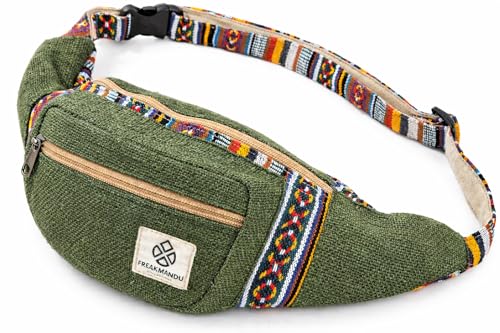
Table of Contents

Quick Answer
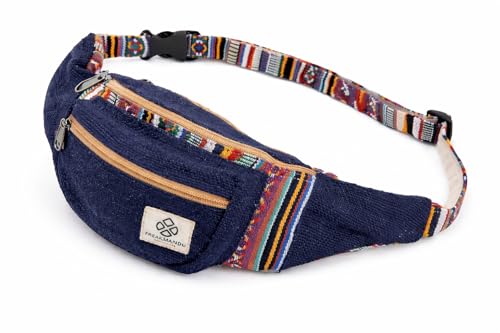
To choose the right hemp fanny pack, prioritize blends with at least 50% organic hemp for durability and moisture-wicking properties, paired with a flexible TPU or recycled plastic lining to ensure water resistance without toxic PVC. Look for adjustable straps that sit comfortably on your hips during movement, YKK brass zippers for longevity, and natural dyes to avoid chemical runoff. The best option balances the structural integrity of hemp canvas with the softness of cotton or linen blends for all-day comfort.
Fabric Composition and Blend Ratios
Not all hemp fabric is created equal. Pure 100% hemp can be quite stiff and coarse initially, which might feel restrictive when wearing a bag close to your skin for extended periods. For a fanny pack or waist bag that needs to flex with your body, look for blends such as 55% hemp and 45% organic cotton. This combination retains the tensile strength and breathability of hemp while introducing the softness and drape of cotton. If you prefer a more rugged, weather-resistant feel, a hemp-linen blend offers excellent structure but may require a longer break-in period.
Avoid synthetic blends like polyester-hemp mixes if your goal is true sustainability. While they reduce cost, they compromise the biodegradability of the product and can trap odors against your body during active use. High-quality hemp fabric should feel substantial but not heavy. When you hold it up to the light, the weave should be tight enough to prevent small items from poking through, yet breathable enough to allow air circulation.
Sustainability Note: Hemp requires significantly less water than cotton and no pesticides to grow, making it one of the most eco-friendly fibers available for durable goods.
Hardware Quality and Zipper Mechanics
The longevity of your hemp waist pack is often determined by its hardware, not just the fabric. Cheap plastic zippers will fail within months, especially when exposed to sweat or sand during outdoor activities. Opt for brass or nickel-free metal zippers, preferably from reputable manufacturers like YKK. Brass is naturally antimicrobial and develops a beautiful patina over time, complementing the natural aesthetic of hemp.
Inspect the zipper teeth alignment and the slider mechanism. It should glide smoothly without catching on the fabric edges. For security during hikes or crowded travel, consider packs with locking zippers or dual-pull sliders that allow you to secure both ends. The strap adjusters should also be metal rather than plastic; plastic buckles can crack under tension, whereas metal hardware withstands the stress of heavy loads and rough terrain.
Sustainability Note: Investing in high-quality metal hardware ensures your bag lasts for years, reducing the frequency of replacement and the associated carbon footprint of manufacturing and shipping new items.
Fit, Ergonomics, and Movement
A fanny pack that chafes is useless, regardless of how sustainable it is. The strap width is critical for comfort; a strap narrower than 1.5 inches will dig into your hips during long walks or yoga sessions. Look for wide, adjustable webbing straps made from recycled cotton or hemp canvas. These distribute weight evenly and prevent the "digging" sensation common with thin nylon straps.
Consider how the bag sits on your body. For active use like hiking or cycling, a low-rise hip belt style keeps the center of gravity low and stable. For urban commuting or temple visits, a mid-rise crossbody style offers easier access to contents. Ensure the brand provides detailed sizing charts, specifically measuring the waist circumference where the pack will sit. Hemp fabric has minimal stretch compared to synthetics, so accurate sizing is non-negotiable for comfort.
Sustainability Note: Proper fit reduces returns and exchanges, which cuts down on the carbon emissions associated with reverse logistics in the fashion industry.
Lining and Water Resistance
One of the biggest misconceptions about hemp is that it is completely waterproof. While hemp is water-resistant to a degree, it will eventually absorb moisture. To protect your electronics or documents, check the lining material. Avoid linings made with PVC (vinyl) due to their toxic production process and inability to biodegrade. Instead, look for linings made from recycled PET (rPET), organic cotton duck, or natural rubberized fabrics.
For outdoor use, some hemp bags come with a natural wax coating (like beeswax or soy wax). These coatings enhance water resistance and give the bag a rugged, weathered look. However, be aware that waxed fabric requires re-application of the wax annually to maintain its effectiveness. If you prefer low maintenance, a tightly woven organic cotton lining is sufficient for daily urban use, while a rPET lining offers better durability and moisture barrier properties for travel.
Sustainability Note: Choosing PVC-free linings prevents the release of dioxins and other harmful chemicals during both production and eventual disposal in landfills.
Certifications and Ethical Production
To ensure your purchase aligns with your values, look for third-party certifications. The Global Organic Textile Standard (GOTS) certifies the organic status of the fiber and ensures humane working conditions throughout the supply chain. For hemp specifically, check if the fiber is grown in regions with strict agricultural regulations, such as France or parts of China, where processing standards vary.
Beyond fabric certifications, consider the brand's transparency regarding labor practices. Hemp processing can be labor-intensive; ensure the brand discloses where their sewing and assembly take place. Ethical brands will proudly share information about their factories, fair wages, and safety standards. This level of transparency is a hallmark of genuine sustainable fashion, distinguishing it from greenwashing efforts.
Sustainability Note: Supporting brands with GOTS certification ensures that no toxic dyes or heavy metals were used in the finishing process, protecting both workers and local water supplies.
Frequently Asked Questions
Does hemp fanny pack smell after sweating?
No, one of hemp's greatest advantages is its natural antimicrobial and anti-odor properties. Unlike synthetic nylon or polyester bags that trap bacteria and develop a persistent sour smell, hemp allows the fabric to breathe and resist odor buildup, even after heavy use.
Is hemp waterproof?
Hemp is naturally water-resistant but not fully waterproof. It will repel light rain for a short time, but prolonged exposure will soak the fabric. For wet weather, look for bags with a natural wax coating or a waterproof recycled lining.
How do I clean a hemp fanny pack?
Hand wash in cold water with a mild, eco-friendly detergent. Avoid bleach and fabric softeners, which can break down the natural fibers. Hang to dry in the shade; direct sunlight can make the fabric brittle over time.
Will hemp stretch out over time?
Hemp is known for its strength and low elasticity. It will not stretch out of shape like cotton or synthetic blends might. Instead, it will soften and become more comfortable with wear while maintaining its original structural integrity.
Can I use a hemp fanny pack for hiking?
Absolutely. Hemp is stronger than cotton and highly resistant to abrasion, making it ideal for rugged outdoor activities. Just ensure the hardware is metal and the strap is wide enough for comfort during long treks.
Choosing a hemp fanny pack is an investment in gear that respects both your body and the planet. By focusing on fabric blends, hardware quality, and ethical production, you secure a reliable companion for your daily adventures. Start by assessing your primary use case—whether it’s yoga, hiking, or urban commuting—and select a bag that prioritizes comfort and durability. Your mindful wardrobe deserves gear that lasts.


