

How To Choose The Right Hemp Yoga Mats
By Sara Nguyen
As someone who has spent years transitioning from synthetic mats to natural fibers, I’ve learned that stability in yoga isn’t just about grip—it’s about the connection between your body, the mat, and the floor. Hemp has become a staple in my eco-lifestyle routine, not just for its durability, but for the tactile feedback it provides during practice. However, not all hemp mats are created equal. Choosing the right one requires understanding the construction, the backing, and how these elements affect your practice, whether you’re flowing through a vigorous vinyasa or holding a still meditation pose.
Quick Answer
To choose the right hemp yoga mat for stability, prioritize the backing material over the top layer. A hemp top layer provides texture, but true stability comes from a natural rubber base (for latex-friendly users) or a dense, non-slip fabric backing. Avoid mats with synthetic foam cores if you need floor grip, as they can slide. Always check if you are latex-sensitive, as most stable hemp mats use natural rubber for the bottom layer.
Table of Contents
Our Top Picks
Affiliate disclosure: if you buy through these links, we may earn a commission at no extra cost to you.

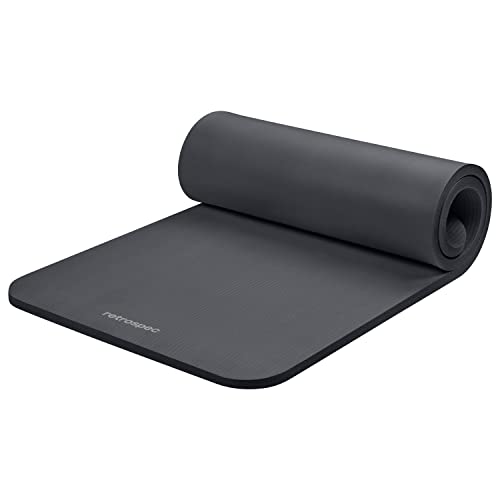
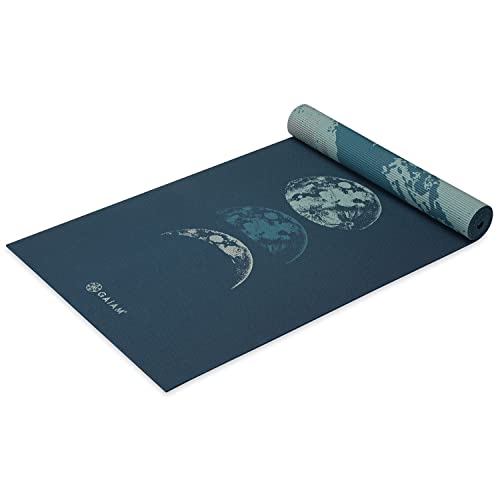
Understanding Hemp Mat Construction
When you pick up a hemp yoga mat, it’s crucial to understand that "hemp" usually refers only to the top surface. Hemp is a plant fiber, and like cotton or jute, it is woven into a textile. This top layer is what you touch with your hands and feet. It offers a firm, grounded feel that many practitioners find superior to the slippery, plastic-like sensation of PVC mats. However, the stability of the entire mat depends entirely on what is underneath this hemp layer.
There are generally three types of construction you’ll encounter. The first is a woven hemp rug, which is essentially a thick, durable textile. These are great for meditation or gentle yoga but may lack cushioning for joint-heavy poses. The second type is a layered mat with a hemp top and a foam or PER (polyethylene rubber) core. These are lighter and offer more cushion, but the foam core can sometimes compromise stability on smooth floors. The third, and often most stable option, is a hemp top bonded to a natural rubber base.
As a yoga instructor, I often see students struggle with mats that feel "eco-friendly" but perform like plastic. The key is to look beyond the marketing term "hemp" and ask about the full construction. A mat that is 100% woven hemp and cotton is fully compostable and offers excellent grip when wet, but it may be too thin for hot yoga. A layered mat offers versatility but requires careful disposal.
The Role of the Backing in Stability
Stability in yoga is largely about preventing the mat from sliding across your floor. This is where the backing material becomes the most critical factor. If you practice on hardwood or tile, a mat with a smooth synthetic bottom will slide, no matter how grippy the hemp top is. For maximum stability, you want a backing that grips the floor, not just your skin.
Natural rubber is the gold standard for floor grip. It is dense, heavy, and provides a "planting" effect that keeps the mat in place during dynamic movements like sun salutations or arm balances. If you are using a woven hemp rug, you might need a separate rubber mat underneath or a non-slip yoga towel to achieve the same stability. For layered mats, ensure the bottom layer is natural rubber, not EVA foam, which tends to slide on polished surfaces.
Consider your practice space. If you travel to studios or hike to outdoor spots, a lighter woven hemp mat might be more practical, even if it requires a non-slip underlay. For home practice, a heavier, rubber-backed hemp mat will save you the hassle of adjusting your position mid-practice. I’ve found that investing in a heavier mat for my home studio has improved my focus, as I’m not constantly worrying about the mat shifting.
Texture vs. Grip: Knowing the Difference
One of the most common misconceptions about hemp mats is that the texture of the hemp fiber equals grip. While hemp does provide a tactile, slightly rough surface that can help with hand placement, it does not automatically mean the mat is non-slip. In fact, dry hemp can sometimes be too grippy for smooth skin, causing friction during transitions. Conversely, when you sweat, hemp can become slippery if it’s not treated or woven correctly.
True grip is a combination of surface texture and moisture management. Hemp is naturally antibacterial and wicks moisture better than many synthetics, which helps maintain grip over time. However, for hot yoga or vigorous flows, you may still need a yoga towel. The key is to test the mat in conditions similar to your practice. If you do hot yoga, look for a hemp mat that is designed to be used with a towel, or one that has a microfiber top layer for added absorption.
When evaluating a mat, think about your skin type and sweat levels. If you have dry skin, a woven hemp mat might provide excellent traction. If you sweat heavily, a hemp-cotton blend or a mat with a natural rubber base will offer more consistent stability. I recommend starting with a mat that has a natural rubber backing, as it provides a reliable base that won’t slide, allowing you to focus on your pose rather than your equipment.
Latex Sensitivity and Material Choices
A critical factor in choosing a stable hemp mat is latex sensitivity. Most high-quality, stable hemp mats use natural rubber for the backing layer. Natural rubber is derived from the sap of the rubber tree and is a fantastic, sustainable material that offers superior grip and durability. However, it contains latex proteins, which can cause allergic reactions in some individuals.
If you are latex-sensitive, you need to look for mats with a fabric or synthetic backing instead of natural rubber. Woven hemp rugs often have a cotton or jute backing, which is latex-free. Layered mats might use a synthetic polymer base, though these are less eco-friendly. It’s essential to read the product specifications carefully. A mat labeled "hemp" might still contain latex in the backing, so don’t assume otherwise.
Understanding your body’s needs is just as important as understanding the mat’s materials. I’ve had students switch from rubber-backed mats to woven hemp rugs due to allergies, and they’ve found that the firmness of the woven mat actually improves their balance and stability. It’s a trade-off, but one that’s worth making for your health and comfort.
Maintenance for Long-Lasting Performance
To maintain the stability and performance of your hemp yoga mat, proper care is essential. Hemp is a durable fiber, but it can shrink or become stiff if not cared for correctly. Avoid machine washing your mat, especially if it has a rubber backing, as this can degrade the adhesive and the rubber. Instead, clean it with a mild, natural soap and water solution, and let it air dry flat.
For woven hemp mats, you can gently hand wash them with a mild detergent, but be sure to lay them flat to dry to prevent warping. Avoid direct sunlight, which can fade the natural colors and weaken the fibers. Regular cleaning removes sweat and oils that can break down the fibers and reduce grip over time. I recommend using a simple mix of water and a few drops of tea tree oil for a natural, antibacterial clean.
Storing your mat correctly also contributes to its longevity. Roll it loosely, rather than folding it, to prevent creases that can weaken the fibers. Keep it in a cool, dry place, and avoid leaving it in a hot car, as extreme heat can damage the materials. By treating your hemp mat with care, you’ll ensure it remains stable and supportive for years, reducing the need for replacements and minimizing waste.
Frequently Asked Questions
Is a hemp yoga mat better than a PVC mat?
Hemp mats are more eco-friendly and offer a firmer, more grounded feel, which can improve stability for some practitioners. However, PVC mats often have more consistent, high-grip performance, especially when wet. Choose hemp for sustainability and a natural feel, but test for grip if you do hot yoga.
Do hemp yoga mats need a towel?
It depends on your practice. For gentle yoga or meditation, a towel is usually not needed. For hot yoga or vigorous flows, a yoga towel can enhance grip and absorb sweat, preventing the hemp from becoming slippery. A microfiber towel works well with most hemp mats.
Can I use a hemp mat on a carpet?
Yes, hemp mats work well on carpet, as the fibers can grip the carpet pile. However, for maximum stability, a natural rubber backing is still beneficial to prevent the mat from shifting. Woven hemp rugs may slide slightly on high-pile carpet, so a non-slip underlay might be helpful.
How do I clean a hemp yoga mat?
Wipe down your mat after each use with a damp cloth and mild soap. For a deeper clean, hand wash with a natural detergent and air dry flat. Avoid machine washing and drying, as this can damage the fibers and backing.
Are hemp yoga mats durable?
Yes, hemp is one of the most durable natural fibers available. It resists mold, mildew, and stretching, making it ideal for long-term use. With proper care, a hemp mat can last for many years, outperforming many synthetic alternatives.
What is the best backing for a hemp mat?
Natural rubber is the best backing for stability and grip, but it contains latex. For latex-free options, look for mats with a cotton, jute, or TPE backing. Woven hemp rugs with a cotton backing are also a great, fully natural option.
Choosing the right hemp yoga mat is about finding the balance between sustainability, comfort, and performance. By understanding the construction, backing, and care requirements, you can select a mat that supports your practice and aligns with your values. Start with a mat that feels stable and comfortable, and don’t be afraid to experiment with different types to find what works best for you. Your practice is a journey, and the right tools can make all the difference.


