

How To Choose The Right Organic Hemp Scarves 2026
In a world saturated with fast-fashion accessories that lose their shape after one wash, finding a scarf that bridges the gap between ethical sourcing and high-performance utility is essential for the mindful wardrobe. Hemp has emerged as the superior choice for conscious consumers, offering natural temperature regulation, antimicrobial properties, and a durability that outlasts cotton and synthetic blends by years. Whether you are looking for a breathable layer for morning vinyasa flow or a structured wrap for weekend hikes, choosing the right hemp scarf requires an eye for weave density, fiber origin, and finish.
Our Top Picks
Affiliate disclosure: if you buy through these links, we may earn a commission at no extra cost to you.

Table of Contents
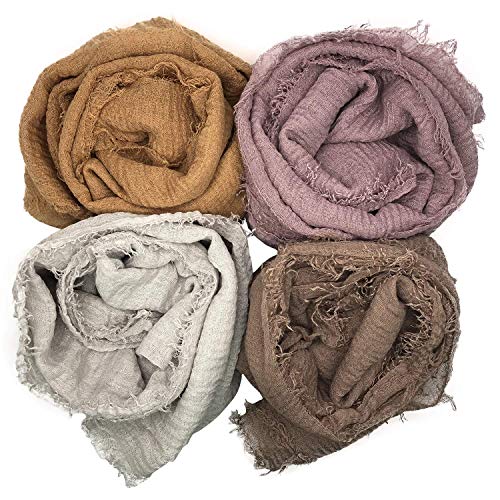

Quick Answer
To choose the right organic hemp scarf, prioritize garments made from 100% GOTS-certified organic hemp or a hemp-cotton blend (no less than 55% hemp) to ensure breathability and durability. Look for a "charcoal" or "enzyme" wash finish to soften the natural stiffness of the fiber without using harsh chemicals, ensuring comfort against sensitive skin. Finally, verify the weave weight: choose a lighter, open weave for yoga and travel to prevent bulk, and a tighter, heavier twill for cold-weather outdoor activities.
Fiber Composition: Pure Hemp vs. Blends
When selecting a hemp scarf, the first decision is between 100% organic hemp and a blended fabric. Pure hemp offers unmatched durability and antimicrobial qualities, making it ideal for those who practice hot yoga or engage in high-intensity outdoor activities where odor resistance is crucial. However, pure hemp can feel slightly crisp upon initial purchase. If you prioritize immediate softness, look for a blend of 55% hemp and 45% organic cotton. This ratio maintains the structural integrity and eco-credentials of hemp while borrowing the plush hand-feel of cotton, making it a versatile choice for daily wear around the studio or office.
Avoid synthetic blends like polyester or acrylic, which are often marketed as "hemp-mixes" to lower costs. These synthetics trap heat and sweat, defeating the purpose of choosing a natural fiber. For an eco-lifestyle that values breathability, stick to plant-based fibers only.
Sustainability Note: Hemp requires significantly less water than conventional cotton and no pesticides to grow, making pure hemp the lowest-impact choice for your carbon footprint.
Understanding Weave and Weight for Movement
The performance of your scarf depends heavily on how the fibers are woven. For activewear and yoga, you want a scarf that moves with you, not against you. Look for lightweight weaves such as gauze or muslin. These open structures allow for maximum airflow, which is vital when layering during a heated flow or a summer hike. A lightweight hemp scarf dries incredibly fast, making it an excellent companion for travel and post-workout recovery.
Conversely, if you are building a mindful wardrobe for cooler climates, seek out heavier twill or canvas weaves. These denser fabrics provide wind resistance and warmth without the bulk of wool. A heavy hemp scarf holds its shape well, allowing you to tie it securely without it slipping off your shoulders during outdoor activities like birdwatching or forest bathing.
Sustainability Note: Denser weaves often utilize more fiber per square inch, but because hemp is so strong, these scarves last decades, reducing the frequency of replacement compared to fast-fashion alternatives.
The Importance of Softening Techniques
One of the biggest hurdles for new hemp users is the natural stiffness of the fiber. High-quality manufacturers address this through specific finishing processes. The gold standard is a "charcoal wash" or an "enzyme wash." These methods use natural enzymes or charcoal to break down the lignin in the hemp fibers, resulting in a fabric that is soft to the touch while retaining its strength. This process is chemical-free and enhances the natural texture of the material.
Avoid scarves that claim to be "pre-softened" through harsh chemical treatments or excessive mechanical beating, which can damage the fiber structure over time. A properly finished hemp scarf should feel slightly textured but never rough or abrasive. As you wash and wear your scarf, it will continue to soften naturally, developing a unique patina that reflects your personal journey.
Sustainability Note: Enzyme washing is a closed-loop process that minimizes water usage and avoids the toxic runoff associated with traditional fabric softeners and chemical bleaches.
Certifications That Matter: GOTS and OEKO-TEX
In the sustainable wellness space, claims can be vague. To ensure your scarf aligns with ethical standards, look for two key certifications: GOTS (Global Organic Textile Standard) and OEKO-TEX Standard 100. GOTS certification guarantees that the hemp was grown organically without synthetic pesticides and that the entire supply chain, from spinning to sewing, meets strict social and environmental criteria.
OEKO-TEX Standard 100 is equally important for personal wellness. It certifies that the final product has been tested for harmful substances, including heavy metals, formaldehyde, and pesticide residues. For items that come into close contact with your skin, such as a scarf used during meditation or restorative yoga, this certification ensures you are not absorbing toxins through your pores.
Sustainability Note: GOTS-certified facilities are required to treat wastewater and manage waste responsibly, ensuring that the production of your scarf does not pollute local water sources.
Care Instructions for Longevity
Hemp is one of the most durable natural fibers, but its longevity depends on how you care for it. To preserve the integrity of the fibers and the eco-credentials of your scarf, always wash in cold water on a gentle cycle. Heat is the enemy of natural fibers; it can cause shrinkage and weaken the tensile strength of the hemp over time.
Air drying is the preferred method. Hang your scarf to dry in the shade to prevent UV fading, which can degrade the fabric. If you must use a dryer, choose the lowest heat setting and remove the scarf while it is slightly damp to finish air drying. This prevents over-drying and keeps the fabric soft. Avoid fabric softeners entirely; they coat the fibers and reduce hemp’s natural breathability and moisture-wicking abilities.
Sustainability Note: Air drying and cold washing significantly reduce energy consumption, aligning your daily habits with the broader goals of sustainable wellness and reduced carbon emissions.
Frequently Asked Questions
Does hemp scarf fabric shrink?
Pure hemp can shrink slightly (up to 5%) on the first wash if exposed to hot water or high heat. Washing in cold water and air drying minimizes this risk. Pre-washed or enzyme-washed scarves have already undergone this process, so they are more stable.
Is hemp scarf material itchy?
Raw, unprocessed hemp can feel slightly coarse. However, high-quality organic hemp scarves undergo a softening process (like charcoal washing) that makes them comfortable against the skin. Blends with organic cotton are even softer and ideal for sensitive skin.
Can I wear a hemp scarf in hot weather?
Yes, hemp is highly breathable and moisture-wicking. It absorbs sweat quickly and releases it into the air, keeping you cool and dry. Lightweight gauze weaves are particularly effective for summer yoga and outdoor activities.
How do I remove stains from a hemp scarf?
Treat stains immediately with a spot cleaner made from natural ingredients like baking soda and water. Avoid harsh bleach, which can damage the fibers. For organic stains like turmeric or wine, soak the scarf in cold water before washing.
Are hemp scarves durable for travel?
Absolutely. Hemp is stronger than cotton and becomes softer with wear without losing strength. It resists mold and mildew, making it perfect for humid climates or long-term packing in a yoga kit.
What makes hemp better than wool for scarves?
Hemp is vegan, cruelty-free, and requires far less water to produce. Unlike wool, it does not retain odors as easily and can be machine washed (on gentle) more frequently without felting, making it a lower-maintenance option for active lifestyles.
Choosing the right organic hemp scarf is an investment in a mindful wardrobe that respects both your body and the planet. By focusing on fiber composition, weave weight, and ethical certifications, you ensure that your accessory performs as well as it looks. Start by selecting a piece that matches your primary activity—whether that’s breathability for yoga or warmth for winter hikes—and care for it with simple, eco-friendly practices to enjoy its natural beauty for years to come.


