

How to Pick Spring Hemp Clothing
From my morning yoga to a quick hike, hemp fabrics stay breathable and comfortable thanks to their natural fiber structure. Most hemp pieces blend with organic cotton or TENCEL to soften the hand and improve stretch without sacrificing durability. For active wear, I look for blends with 60-80% hemp to balance performance with a soft, non-scratchy feel, and I prefer a finish that drapes smoothly through transitions.
Table of Contents
Our Top Picks
Affiliate disclosure: if you buy through these links, we may earn a commission at no extra cost to you.


Factors to Consider
Fiber content and blends
Sustainability note: Hemp generally uses fewer pesticides and requires less water than conventional cotton, and organic hemp seeds support soil health and biodiversity. Look for GOTS-certified hemp or Global Hemp Certification to ensure responsible farming and dyeing practices.
Fabric weight and finish for movement
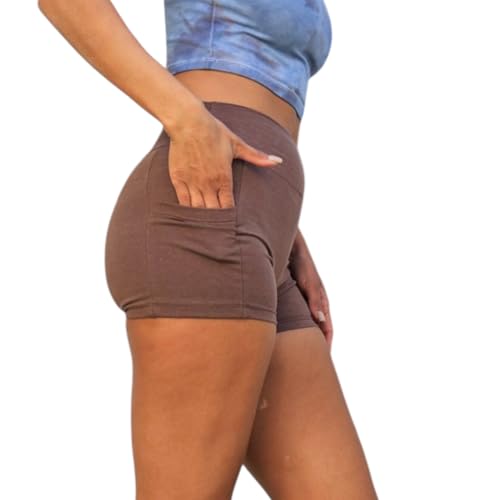
For yoga and movement, I reach for mid-weight hemp fabrics around 160-240 g/m2 that drape well and hold shape through transitions. Heavier weights resist wrinkling and color fade but can feel stiff until broken in; lighter weights are airy but may cling during inversions unless cut with enough stretch. A smooth knit or brushed finish with 2- or 4-way stretch keeps tops from riding up during sun salutations and supports comfortable layering.
Sustainability note: Hemp’s long fibers tend to resist pilling and wear longer, which means fewer replacements; choose fabrics dyed with low-impact dyes to minimize water and chemical use.
Certifications and supply chain transparency
When I shop, I look for GOTS certification for organic fiber and chemical limits, OEKO-TEX Standard 100 for tested substances, and Bluesign for manufacturing standards. These labels help ensure safer chemicals, traceability, and stronger social responsibility across the supply chain. If a brand shares seed-to-fabric stories or third‑party audits, I feel more confident in the overall sustainability of the garment.
Sustainability note: Certification regimes reduce chemical exposure and promote better water and pesticide practices, which translates to a smaller environmental footprint for hemp garments.
Care, durability, and colorfastness
In practice, hemp fabrics soften with wear and resist pilling better than many synthetics, making them reliable for daily practice. I wash hemp in cold water with a mild detergent and air-dry to preserve fit and color, avoiding high heat that can cause shrinkage. Look for low-impact dyes or natural pigment finishes to keep color vibrant and skin-friendly through repeated wash cycles.
Sustainability note: A durable hemp piece reduces fast fashion waste; line-drying and cold washes cut energy use and keep dyes intact longer.
Frequently Asked Questions
Are hemp fabrics good for yoga and workouts?
Yes. Research on natural fibers shows hemp fabrics offer excellent breathability and moisture management, helping you stay comfortable through practice. When blended with organic cotton or TENCEL Lyocell, hemp gains improved stretch and a softer hand without sacrificing durability. They also drape well and stay shape-retentive through movement.
How should I care for hemp clothing?
Wash hemp in cold water with a mild detergent and air-dry to minimize shrinkage and preserve fit. Hemp softens with wear, so expect the first few uses to feel a bit stiffer before it breaks in.
Is hemp clothing itchy or rough to wear?
Pure hemp can feel a bit stiff at first, but blends with cotton or bamboo soften quickly, and pre-washed fabrics reduce roughness. If you have sensitive skin, choose a hemp blend and look for enzyme-softened finishes.
How does hemp compare to cotton or synthetics in sustainability?
Hemp typically requires fewer pesticides and uses less water than conventional cotton. When produced with organic farming and low-impact dyes, and certified by GOTS, OEKO-TEX, or Bluesign, hemp garments can have a smaller environmental footprint than many synthetics.
What certifications should I look for?
Look for GOTS for organic fiber and chemical standards, OEKO-TEX Standard 100 for tested substances, and Bluesign for manufacturing practices; these help verify safer chemicals, traceability, and responsible production across the supply chain.
Will hemp hold color and resist wear?
Hemp fibers generally hold dye well and resist pilling, but colorfastness depends on the dye and finishing process; choose items with low-impact dyes and follow care labels to maximize longevity.
Does hemp shrink in the wash?
Hemp can shrink if exposed to high heat, so washing in cold water and air-drying helps maintain size; many brands pre-shrink or pre-wash fabrics to minimize surprises.
Conclusion
Spring is the season to build a mindful, high-performance wardrobe with hemp. Start with a few versatile pieces—a breathable tee, mid-weight leggings, and a soft layering top—and you’ll move through practice, weekend exploration, and daily life with less environmental impact and more durability.


