How To Read A Cbd Product Label
Reading a CBD product label shouldn't feel like decoding a chemistry exam — it should tell you exactly what you're putting in your body and why it will work for your life. I've flipped open dozens of tinctures, creams, and edibles after morning yoga, on weekend hikes, and during evening meditation to see which labels meant real quality and which were marketing fluff. This quick primer highlights the handful of details you need to scan every time: potency, spectrum, extraction, carrier, and proof of testing. Sustainability note: favor products made from organically grown industrial hemp (USDA Organic, EU Organic or US Hemp Authority), CO2-extracted and packaged in recyclable glass — hemp and natural carrier oils generally outperform synthetics for breathability, biodegradability, and longer-term wardrobe and gear compatibility.
⚡ Quick Answer: Best Hemp Clothing And Activewear
Best for Opioid Alternative Seekers: 7 Ways to Manage Pain With CBD: The Total Newbies Guide to Understanding CBD Basics, Combating Pain Using it in Multiple Forms, & Finding a Better Quality of Life Apart From Opioid Use.
$12.73 — Check price on Amazon →
Table of Contents
Main Points
- Start with total CBD and mg per serving — look for the total mg on the bottle and the stated mg per serving (example: 500 mg per 30 ml bottle ≈ 16.7 mg per 1 ml dropper). That lets you compare potencies across tinctures and match a practical dose for morning meditation, sleep support, or post-hike recovery.
- Know the spectrum language: "full‑spectrum" includes minor cannabinoids and terpenes (may contain ≤0.3% THC), "broad‑spectrum" removes THC but keeps other compounds, and "isolate" is pure CBD. The label should state THC content and whether the product is broad/full/isolate — choose based on drug‑test risk and symptom needs.
- Check extraction method and lab proof: prefer CO2 extraction (clean, solvent‑free) and always find a batch number or QR code linking to a third‑party COA showing cannabinoid potency and tests for pesticides, heavy metals, and residual solvents. If a brand can’t produce a recent COA, skip it.
- Read ingredient and form‑factor details for fit: carrier oil (MCT vs hempseed) affects taste and absorption; topical balms should list natural waxes (beeswax or candelilla for vegan) and simple botanical helpers, and packaging size/dispensing (marked droppers, roll‑ons, travel tubes) matters for yoga bags or weekend packs.
- Sustainability note: prioritize certified sourcing and transparent manufacturing — USDA Organic or EU organic hemp, US Hemp Authority membership, GMP‑certified facilities, and recyclable glass or minimal plastic packaging. Hemp is a low‑input, fast‑growing crop and, when properly certified, helps reduce reliance on petroleum‑based synthetics while supporting a mindful, durable approach to wellness gear.
Our Top Picks
| Best for Opioid Alternative Seekers | 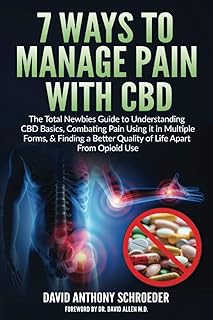 | 7 Ways to Manage Pain With CBD: The Total Newbies Guide to Understanding CBD Basics, Combating Pain Using it in Multiple Forms, & Finding a Better Quality of Life Apart From Opioid Use. | Key Ingredient: CBD education: dosing, delivery methods, harm reduction | Scent Profile: None — informational; recommends hemp + botanical topicals | Best For: Best for Opioid Alternative Seekers | Check Price on Amazon | Read Our Analysis |
More Details on Our Top Picks
-
7 Ways to Manage Pain With CBD: The Total Newbies Guide to Understanding CBD Basics, Combating Pain Using it in Multiple Forms, & Finding a Better Quality of Life Apart From Opioid Use.
🏆 Best For: Best for Opioid Alternative Seekers
This compact guide earns the "Best for Opioid Alternative Seekers" slot because it zeroes in on practical, low-friction ways to use CBD as part of a harm-reduction plan — from topical strategies for localized pain to tincture timing for morning movement and capsule routines for steady days. It’s written for total newbies but doesn’t sugarcoat the limitations: clear dosing templates, comparisons of delivery methods, and straightforward advice on reading third‑party COAs and product labels make it usable the day you buy it. Sustainability note: at $12.73 it’s an accessible primer — opt for the digital edition to avoid paper and packaging waste, and look for brands that encourage USDA Organic or third‑party tested hemp.
Key features include step‑by‑step dosing examples, side‑by‑side pros and cons of topicals versus oral forms, and real-world pairing tips (apply a cooling hemp topical after a weekend hike; take a low-dose tincture before a gentle morning yoga flow). The guide also flags what to look for on product labels — extraction method (CO2 preferred), third‑party lab reports, and basic GMP practices — which helps you choose reliable products for active recovery and daily comfort. Sustainability note: the book emphasizes choosing hemp sourced from regenerative farms and CO2 extraction where possible, which supports cleaner production and better soil health.
Who should buy this: people tapering away from opioids, caregivers exploring alternatives, and anyone with chronic musculoskeletal pain who wants practical, movement-friendly tools to reduce reliance on stronger pharmaceuticals. It’s also handy for yogis and hikers who need realistic recovery strategies that fit into routines—short reads you can reference between practices. Sustainability note: the advice to buy concentrated, well-tested products (and in recyclable packaging) helps reduce waste compared with trying lots of single‑use or low-quality options.
Honest caveats: this is an educational guide, not medical advice — tapering from opioids requires clinician oversight and individualized plans. Advanced users or clinicians may find the depth limited; the guide prioritizes immediate, actionable steps over exhaustive clinical review. Sustainability note: if you prefer a physical copy, check whether the print run uses FSC‑certified or recycled paper, otherwise stick with a PDF to minimize environmental impact.
✅ Pros
- Clear, step‑by‑step dosing templates
- Comparative use of topicals and tinctures
- Beginner-friendly and affordable
❌ Cons
- Not a substitute for medical supervision
- Lacks deep clinical detail for pros
- Key Ingredient: CBD education: dosing, delivery methods, harm reduction
- Scent Profile: None — informational; recommends hemp + botanical topicals
- Best For: Best for Opioid Alternative Seekers
- Size / Volume: Short-format primer; compact and quick to read (budget-friendly)
- Special Feature: Practical dosing templates and label‑reading checklist
- Price / Rating: $12.73 · 4.5 stars (easy entry point for beginners)
Factors to Consider
Frequently Asked Questions
How do I calculate how much CBD I’m taking from a tincture?
Divide the bottle’s total CBD milligrams by the bottle volume to get mg per mL (for example, 750 mg / 30 mL ≈ 25 mg/mL). Then measure out your dose with the dropper—if the dropper marks mL you’re set; otherwise count drops as approximate and adjust over days. Start low and increase slowly while tracking how you feel after activities like morning yoga or evening meditation.
What does the COA actually show and how do I read it?
A COA lists cannabinoid potency (CBD, CBDa, THC, etc.), a terpene profile, and contaminant screens (pesticides, heavy metals, microbes, residual solvents). Match the COA’s batch number with the product, check timestamps, and look for “ND” (not detected) or values below regulatory limits for contaminants. If the COA lacks lab credentials or chromatogram images, contact the brand or avoid the product.
Is “hemp oil” the same as CBD oil?
No — hemp seed oil comes from pressed hemp seeds and is rich in omega fatty acids but contains negligible cannabinoids; it’s a great moisturizer but won’t offer CBD effects. CBD oil is an extract from the flowering parts of the hemp plant and must be labeled as such with potency and COA. Brands sometimes blend both; read the label to understand whether hemp seed oil is just a carrier or the primary ingredient.
What extraction method should I look for?
CO2 extraction is preferred for a clean, solvent-free product that retains terpenes and cannabinoid diversity. Ethanol extraction can be effective and lower-cost but requires thorough purification to remove residuals; hydrocarbon solvents (like butane) are less desirable unless the COA confirms complete removal. For sustainable practices, ask brands about energy use and solvent recycling policies.
Can CBD show up on a drug test?
Full‑spectrum CBD products can contain trace THC and in rare cases, consistent use could lead to a positive drug test depending on sensitivity and dosing. If you’re subject to testing, choose a batch‑verified broad‑spectrum or an isolate and check the COA for “non‑detect” THC results. Remember labeling isn’t regulated tightly in all markets, so always verify third‑party testing.
What should I look for on topical labels for yoga and recovery use?
Check milligrams of cannabinoids per container and per recommended application, the full ingredient list (avoid unnecessary synthetic fragrances), and intended use claims like “for muscle soreness.” Prefer hemp seed oil or plant-based butter bases and look for dermatological testing if you have sensitive skin. Sustainability note: choose products in recyclable glass jars or refillable tins to keep your practice low-waste.
Are there safety certifications or seals I should trust?
Useful certifications include USDA Organic, NSF/GMP for manufacturing practices, Non‑GMO Project, and cruelty‑free logos; also look for ISO-accredited labs on COAs. Certifications don’t replace a COA — both together give a clearer picture of product quality and ethical sourcing. For a mindful lifestyle, prioritize brands that disclose farm origin, regenerative practices, and fair labor commitments.
Conclusion
Reading a CBD label is mostly about verifying potency, checking third‑party lab results, and confirming extraction and carrier oils that suit your practice — whether a morning yoga flow or weekend trail recovery. My recommendation: choose CO2‑extracted, batch‑tested full‑spectrum or broad‑spectrum products in glass packaging from brands that disclose farming and lab details; start low, track effects, and favor sustainable sourcing to align wellness with environmental responsibility.