

Yoga Gear And Accessories vs Sustainable Wellness: Which Should You Buy in 2026
By Sara Nguyen
If you are trying to build a calmer, more sustainable practice, the choice can feel confusing: should you spend on yoga gear first, or invest in a broader sustainable wellness wardrobe and home setup? For many people, the answer is not one or the other. Yoga gear is the equipment you use directly in asana, meditation, and breathwork. Sustainable wellness is the wider layer around that practice—clothing, home textiles, aromatherapy, and lifestyle items that support movement, recovery, and daily comfort.
This comparison is especially useful if you are moving away from fast fashion and plastic-heavy gym gear, but you do not want to sacrifice performance. If your priority is a better mat, blocks, straps, or storage for a home studio, start with yoga gear. If your priority is reducing disposable clothing, choosing natural materials, and creating a more intentional wellness routine, sustainable wellness may be the better first investment. The best buy in 2026 is usually the one that solves the biggest gap in your current routine without creating clutter.
Choosing fewer, higher-quality items helps reduce the waste cycle created by disposable activewear and plastic props. The goal is a practical wardrobe and practice space that lasts.
Affiliate disclosure: if you buy through these links, we may earn a commission at no extra cost to you.
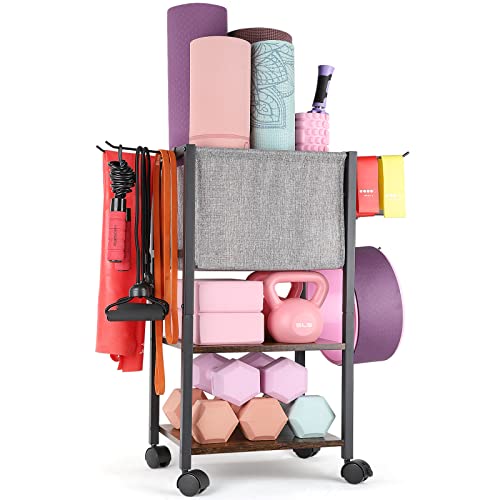


Table of Contents
- Models in this comparison
- Quick Verdict
- About Yoga Gear And Accessories
- About Sustainable Wellness
- Head-to-Head: Purpose and Daily Use
- Head-to-Head: Materials and Performance
- Head-to-Head: Cost and Longevity
- Head-to-Head: Fit for a Mindful Wardrobe
- Who Should Choose Yoga Gear And Accessories?
- Who Should Choose Sustainable Wellness?
- Our Verdict
- Frequently Asked Questions
- Sources & References
- Relevant Products for This Topic
Models in this comparison
Affiliate disclosure: if you buy through these links, we may earn a commission at no extra cost to you.
Quick Verdict
The most sustainable choice is often the one you will actually use repeatedly, because repeated use reduces the need for replacement purchases.
Choose Yoga Gear And Accessories if...
- You need a mat, blocks, straps, bolsters, or storage for a regular yoga or meditation practice.
- You want to replace PVC-based or synthetic foam props with natural rubber, cork, jute, organic cotton, or recycled-material options.
- Your main goal is better grip, support, joint comfort, and a cleaner home practice space.
Choose Sustainable Wellness if...
- You want to reduce fast fashion by choosing natural-fiber clothing, loungewear, or everyday activewear.
- Your practice includes breathing, aromatherapy, rest, or self-care at home, not just mat-based movement.
- You want a broader sustainable lifestyle upgrade that supports comfort, movement, and daily wellness.
| Factor | Yoga Gear And Accessories | Sustainable Wellness |
|---|---|---|
| Relative Cost | Not directly comparable because yoga gear is a specific equipment category, while sustainable wellness is a broader category. For one source-bound example, Sustainable Yoga Gear 2026: Eco-Friendly Mats & Props lists a Warrior Cork Yoga Mat at £89.00 and a pre-loved Warrior Cork Mat at £27.99. | Cost varies widely because the category can include clothing, diffusers, home textiles, and lifestyle products. A single sustainable clothing item may be a larger purchase than a block or strap, but it can replace multiple disposable pieces over time. |
| Best For | Mat-based yoga, meditation, restorative practice, home studio organization, and replacing plastic-heavy props. | Building a mindful wardrobe, reducing fast fashion, supporting daily comfort, and creating a calmer home wellness routine. |
| Setup Difficulty | Usually low. Mats, blocks, straps, and bolsters can be used immediately; storage racks or wall mounts may require assembly or mounting. | Low for clothing and small items, but a full sustainable wellness setup may take longer because it involves choosing fabrics, scents, routines, and home items. |
| Reliability | Depends on material quality. Natural rubber, cork, jute, organic cotton, and recycled foam can perform well, but durability varies by use and care. | Depends on fabric construction, care instructions, and fit. Natural-fiber clothing and home items can be reliable if they are made for daily wear and proper maintenance. |
| Key Advantage | Directly improves the practice surface and support: grip, cushioning, alignment, storage, and comfort during movement or stillness. | Extends sustainability beyond the mat by reducing disposable clothing, supporting natural materials, and making everyday routines feel more intentional. |
| Main Drawback | Can become a collection of single-purpose items if bought without a clear practice need. | Can be broad and vague; without clear fit, material, and use criteria, it may lead to unnecessary purchases. |
About Yoga Gear And Accessories
Yoga gear and accessories are the practical tools that make a practice easier to keep. A mat is the most obvious example, but the category also includes blocks, straps, bolsters, cushions, storage racks, wall mounts, and other items that help with alignment, comfort, and organization. For a morning yoga practice at home, the difference between a slippery surface and a stable one can change how consistent you feel. For meditation, a cushion or bolster can make sitting more comfortable without turning the practice into a test of endurance.
When comparing yoga gear, material matters. According to Eco-Friendly Yoga Gear: Sustainable Choices for Conscious Yogis, traditional yoga mats are often made from PVC, synthetic foam, and non-biodegradable plastics, while sustainable mats can be made from natural rubber, cork, jute, or organic cotton. The same source describes cork mats as naturally antimicrobial, non-slip, biodegradable, and having grip that improves with moisture. It also describes natural rubber mats as biodegradable, durable, excellent for grip, and slightly heavier than PVC mats, while jute mats are plant-based, textured, breathable, fully biodegradable, and suitable for low-impact yoga or meditation. Organic cotton mats are described as soft, breathable, washable, and suited to meditation, gentle yoga, or restorative practice.
Props extend the same logic. Eco-Friendly Yoga Gear: Sustainable Choices for Conscious Yogis notes that eco-friendly yoga props can include cork or recycled foam blocks, organic cotton or hemp straps, and bolsters filled with organic cotton or buckwheat. For hot yoga, Eco-Friendly Yoga & Meditation Gear: 2026 Buyer's Guide describes cork as a strong choice because it is naturally antimicrobial and its grip improves when wet. It also states that natural rubber and cork are free from PVC, phthalates, and other endocrine-disrupting toxins found in traditional mats. If you practice on a mat, a good prop set can make the difference between a practice that feels supported and one that feels like you are constantly compensating.
Choosing natural or recycled yoga materials can reduce reliance on PVC, synthetic foam, and non-biodegradable plastics that are common in traditional mats.
About Sustainable Wellness
Sustainable wellness is broader than yoga equipment. It includes the clothing you wear into and out of practice, the fabrics you sleep in, the aromatherapy tools you use to wind down, and the small home items that make a routine feel calmer and more intentional. For someone trying to reduce fast fashion, this category can be especially useful because it shifts the focus from buying more wellness products to choosing fewer, better-made items that fit your body and daily life.
The practical value of sustainable wellness is that it touches more of the day. A pair of comfortable natural-fiber pants, a breathable top, a soft lounge set, or a diffuser for evening breathwork can support the same goals as yoga gear: less tension, more comfort, and a routine that does not feel forced. If you wear the same synthetic gym clothes every day and they do not breathe well, do not hold their shape, or make you feel overheated, upgrading that layer can improve how often you actually move.
Because the category is broader, the buying criteria are different. With yoga gear, you are often evaluating grip, cushioning, texture, and support. With sustainable wellness, you are evaluating fit, fabric feel, breathability, durability, care requirements, and whether the item replaces something disposable. The best sustainable wellness purchases are not the ones that sound the most eco-friendly; they are the ones that fit your body, suit your routine, and reduce the need to replace them quickly.
Sustainable wellness can reduce the environmental impact of everyday clothing and home items by encouraging natural materials, longer use, and less frequent replacement.
Head-to-Head: Purpose and Daily Use
Yoga gear and accessories are task-specific. They are bought to solve a clear problem: the mat is too slippery, the blocks are too soft, the strap is too short, the cushion is too flat, or the studio corner is cluttered. That makes them easier to evaluate. You can test a mat for grip, check whether a block supports a pose, or see whether a strap helps with reach. If the item works for the movement you do, it earns its place.
Sustainable wellness is less task-specific and more lifestyle-based. A piece of clothing, a diffuser, or a home wellness item may not be used in a single defined way, but it can still improve daily comfort. For example, a well-fitting natural-fiber garment can make walking, stretching, or sitting at a desk feel less restrictive. A diffuser can become part of a transition between work and rest. The challenge is that because the category is broader, it can be easier to buy items that feel good in the moment but do not fit into a consistent routine.
Purpose-driven purchases tend to reduce waste because the item has a clear role in your practice or daily routine.
Head-to-Head: Materials and Performance
In yoga gear, material performance is visible quickly. A mat that grips when your hands are damp is useful for hot yoga or vigorous vinyasa. A mat that is soft and breathable may be better for meditation or restorative work. According to Vitalizen, as described in Eco-Friendly Yoga & Meditation Gear: 2026 Buyer's Guide, natural rubber is recommended for cushioning and joint support, while jute or organic cotton may be better for low-impact, meditation, or restorative practice. That distinction matters because the “best” mat is not the thickest or most expensive one; it is the one matched to your practice.
In sustainable wellness, material performance is felt over repeated wear. Natural fibers, recycled materials, and lower-impact fabrics can be more breathable, softer, or more comfortable for some bodies than synthetic alternatives, but fit and construction are just as important. A garment may be made from a responsible material and still fail if the seam placement is uncomfortable, the waistband rides, or the fabric does not recover after wear. For movement, you want enough ease to stretch, squat, walk, or sit without the fabric pulling. For rest, you want softness without losing shape.
Natural and recycled materials can outperform disposable synthetics when they are chosen for the right use and maintained properly.
Head-to-Head: Cost and Longevity
Because yoga gear and sustainable wellness are not equivalent scopes, cost comparisons need a clear limitation. Yoga gear is a specific equipment category; sustainable wellness is a broader category that can include clothing, home items, aromatherapy, and lifestyle products. A yoga mat, block, or strap can be a smaller purchase, while a sustainable clothing item or home wellness setup may cost more. For a source-bound example, Sustainable Yoga Gear 2026: Eco-Friendly Mats & Props lists a Warrior Cork Yoga Mat at £89.00 and a pre-loved Warrior Cork Mat at £27.99. That does not make yoga gear cheaper overall, but it shows that entry-level yoga gear can be a lower-cost way to start with more sustainable materials.
Longevity changes the value equation. A cork mat, natural rubber mat, or hemp strap can be a practical investment if it lasts through regular practice. A sustainable clothing item can be a better long-term purchase if it replaces several lower-quality pieces that lose shape, fade, or feel uncomfortable after a few wears. The honest question is not which category is cheaper on day one, but which item will be used often enough to justify its cost. If you will use a mat every day, the mat may be the better first buy. If your current activewear is the main source of discomfort or waste, sustainable wellness clothing may be the better first buy.
Longevity is one of the simplest sustainability factors: an item that is used for years has a lower replacement impact than several items bought quickly.
Head-to-Head: Fit for a Mindful Wardrobe
Yoga gear helps you build a mindful practice space, but it does not replace a mindful wardrobe. Many people move between home yoga, walking, hiking, work, and rest in the same day. If the clothing you wear into practice is uncomfortable, too hot, or too disposable, it can weaken the whole routine. Sustainable wellness is where that layer becomes important. A well-made natural-fiber top, comfortable leggings, or a soft lounge set can make movement feel less like a chore and more like part of daily life.
The best approach is to match the item to the scenario. For weekend hikes, you want durability, breathability, and a fit that allows movement. For morning yoga at home, you want comfort, flexibility, and something you do not have to think about. For meditation or rest, you want softness and a calm texture that does not distract. Yoga gear supports the body on the mat; sustainable wellness supports the body in the rest of the day. When both are chosen carefully, they create a more complete sustainable routine.
A mindful wardrobe reduces fast fashion by replacing disposable clothing with pieces that fit well and last longer.
Who Should Choose Yoga Gear And Accessories?
Choose yoga gear and accessories if your main gap is in the practice itself. This is the right category if you need a mat with better grip, a block that gives real support, a strap that improves reach, a cushion that makes meditation more comfortable, or storage that keeps your home studio from becoming cluttered. It is also a strong choice if you are replacing PVC-based or synthetic foam props with natural rubber, cork, jute, organic cotton, hemp, or recycled-material options. If your practice is regular and your equipment is the weakest part of the routine, this is where the most immediate improvement usually comes from.
Who Should Choose Sustainable Wellness?
Choose sustainable wellness if your goal is broader than the mat. This is the right category if you want to reduce fast fashion, replace uncomfortable synthetic clothing, build a calmer home routine, or choose natural materials for everyday wear. It is especially useful if your practice includes breathwork, rest, aromatherapy, stretching, walking, or movement that does not happen on a mat. If your current wardrobe is the main source of discomfort, waste, or decision fatigue, sustainable wellness is the better place to start.
Our Verdict
Buy yoga gear and accessories first if your practice is active and your equipment is holding you back. A better mat, block, strap, or cushion can improve grip, comfort, alignment, and consistency almost immediately. Buy sustainable wellness first if your biggest issue is daily clothing, home comfort, or a routine that feels too fragmented. The strongest 2026 choice is not to treat these as competing categories. Start with the item that removes the biggest friction: if you need a stable, non-slip surface for yoga, buy the mat and props first; if your everyday clothing is the main source of waste or discomfort, invest in sustainable wellness pieces that fit your body and your real routine.
Frequently Asked Questions
Is yoga gear more sustainable than sustainable wellness products?
Not automatically. Yoga gear can be very sustainable when made from natural rubber, cork, jute, organic cotton, hemp, or recycled materials, but it is only one category. Sustainable wellness can also be highly sustainable when it replaces disposable clothing and home items with longer-lasting, better-fitting pieces. The most sustainable choice is the one that solves a real need and will be used repeatedly.
What should I look for in an eco-friendly yoga mat?
Look at the material, grip, thickness, and intended practice. According to Eco-Friendly Yoga Gear: Sustainable Choices for Conscious Yogis, sustainable mats can be made from natural rubber, cork, jute, or organic cotton. Cork is described as naturally antimicrobial, non-slip, biodegradable, and better when wet. Natural rubber is described as biodegradable, durable, and excellent for grip, while jute and organic cotton are better suited to low-impact, meditation, or restorative practice.
Can I use sustainable wellness clothing for yoga and hiking?
Yes, if the fit and fabric are right for movement. For yoga, you want stretch, breathability, and comfort in seated and standing poses. For hiking, you want durability, moisture management, and a fit that does not chafe. A sustainable wellness garment is most useful when it works for the specific movement you do most often, not just when it has a responsible label.
Should I buy a cork mat or a natural rubber mat?
Choose cork if you want a naturally antimicrobial, biodegradable mat with grip that improves with moisture, especially for hot yoga or sweaty practice. Choose natural rubber if you want durable cushioning, joint support, and strong grip, and you do not mind that it can be slightly heavier than PVC mats. The better choice depends on your practice style, floor space, and how much weight you want to handle.
Is it better to buy one expensive yoga item or several smaller sustainable wellness items?
It depends on what is missing from your routine. If your yoga practice is frequent and your mat or props are the weak point, one well-made yoga item may be the better investment. If your daily clothing is uncomfortable, disposable, or no longer fits well, several smaller sustainable wellness items may create more daily value. The best purchase is the one that will be used often enough to replace lower-quality items over time.
Sources & References
Relevant Products for This Topic
As an Amazon Associate we earn from qualifying purchases at no extra cost to you.


